

HAND SANDING · ABRASIVES
Hand Sanding Abrasives for Wood, Metal and Coatings
Choose hand sanding abrasives by material, starting condition and required finish. Krückemeyer GmbH helps you assess sanding sheets, rolls, non-wovens, sponges and hand tools for the task at hand.
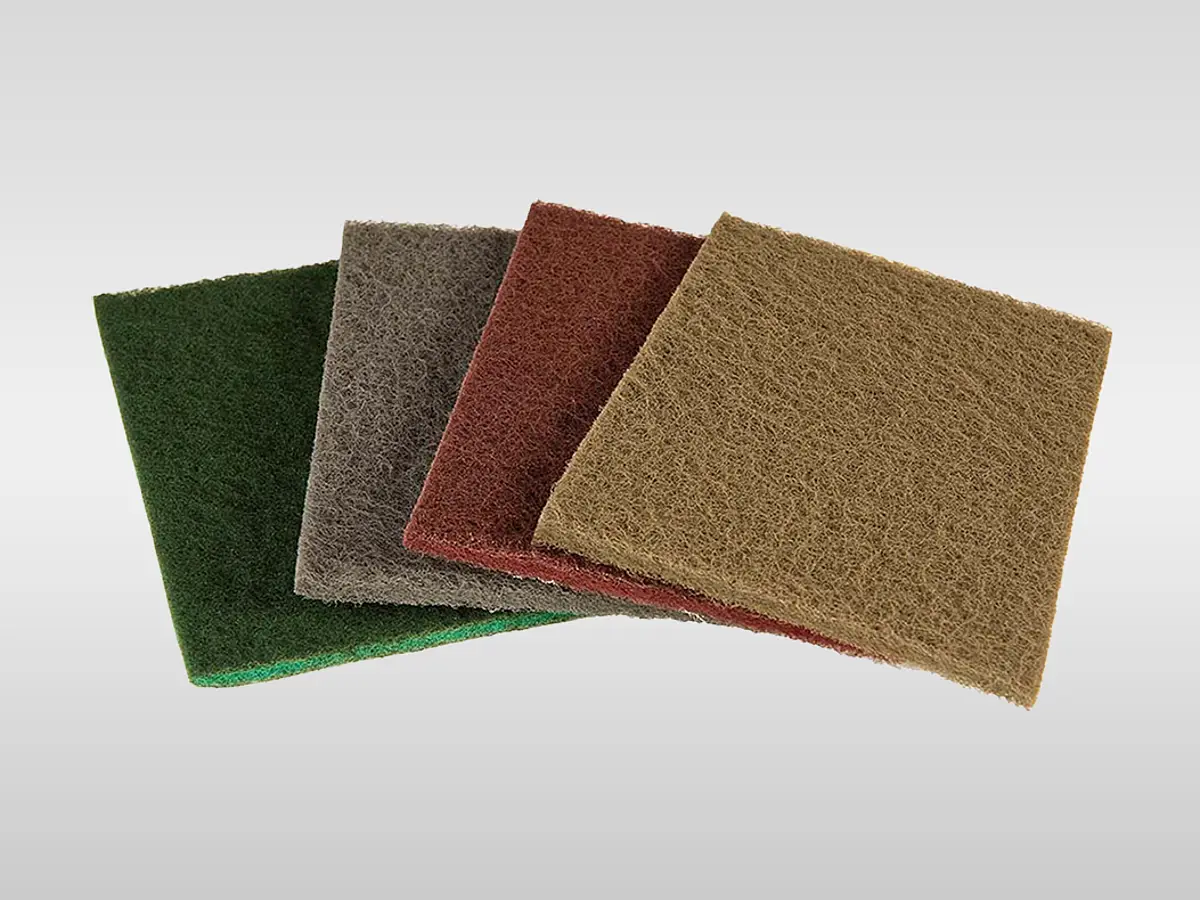
01
Subcategories
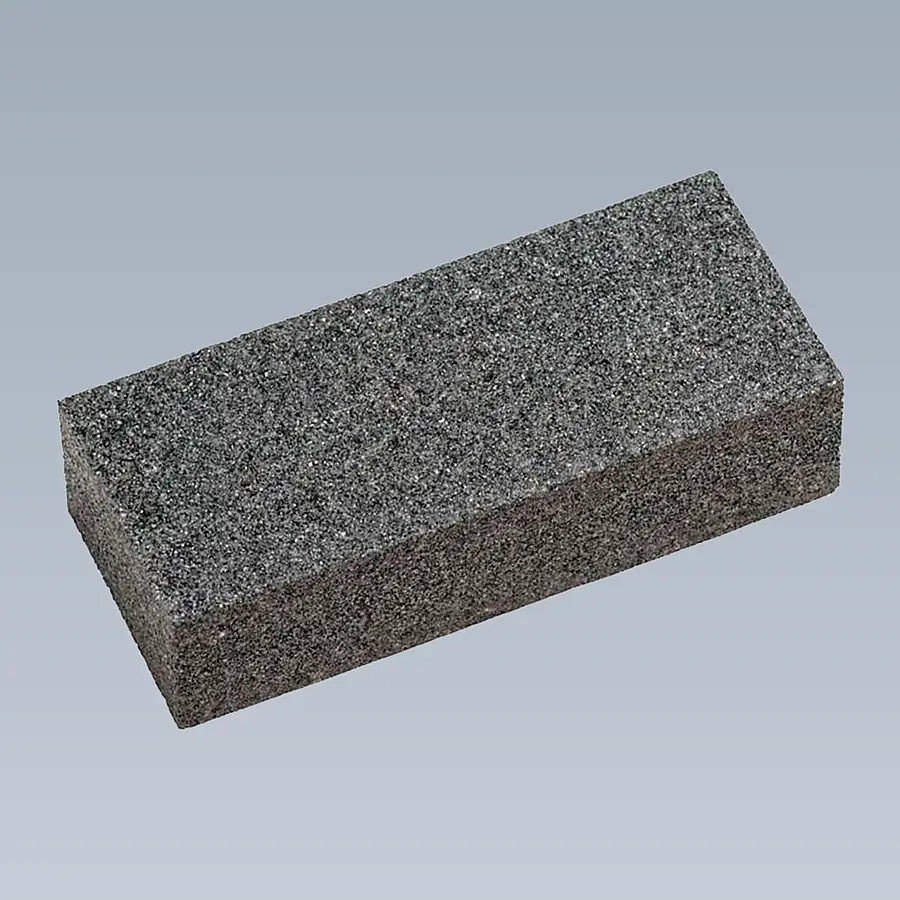
Whetstones
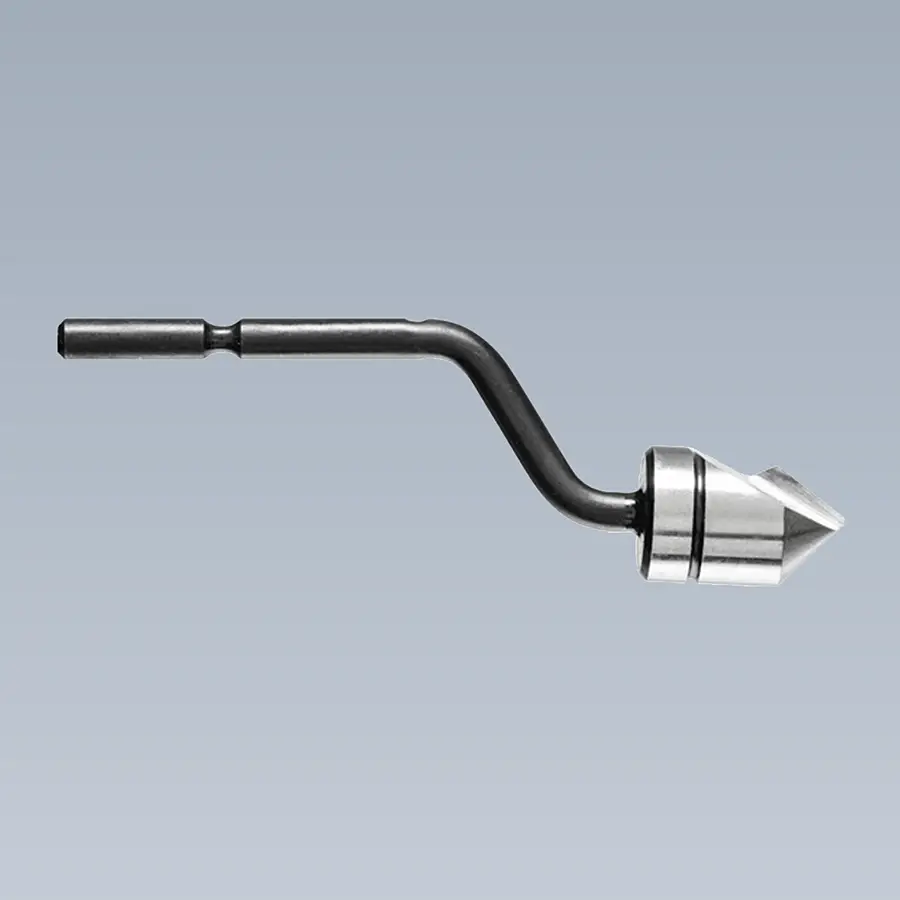
Hand Deburrers
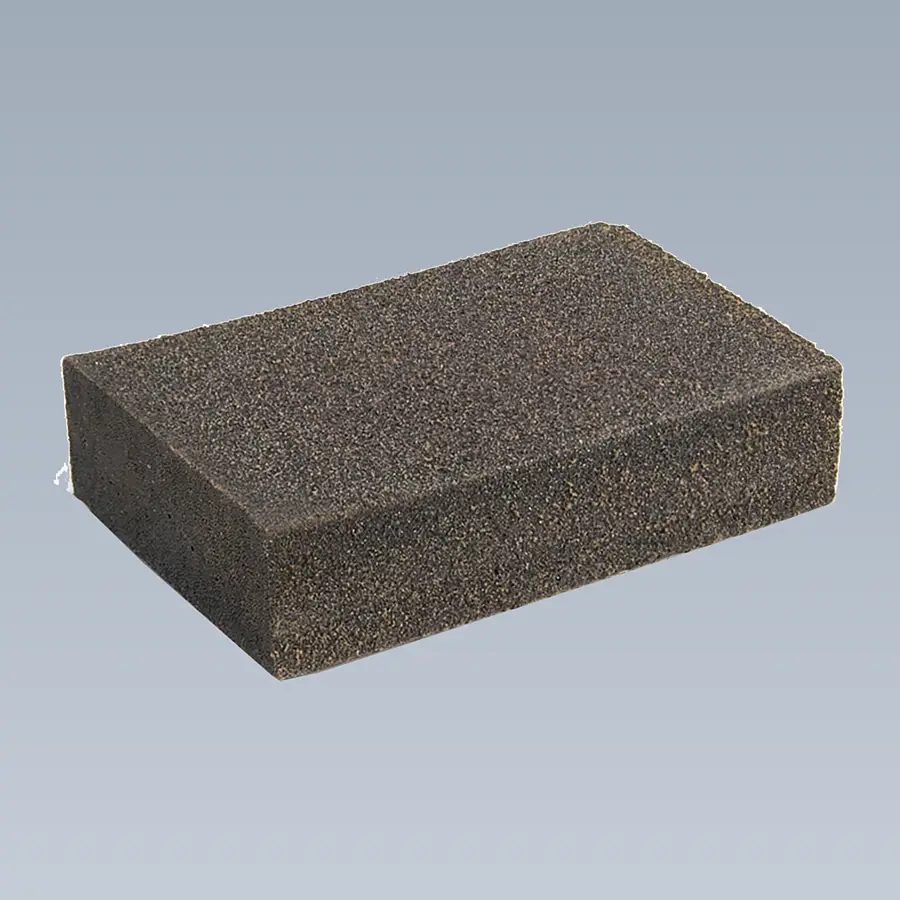
Sanding Sponges
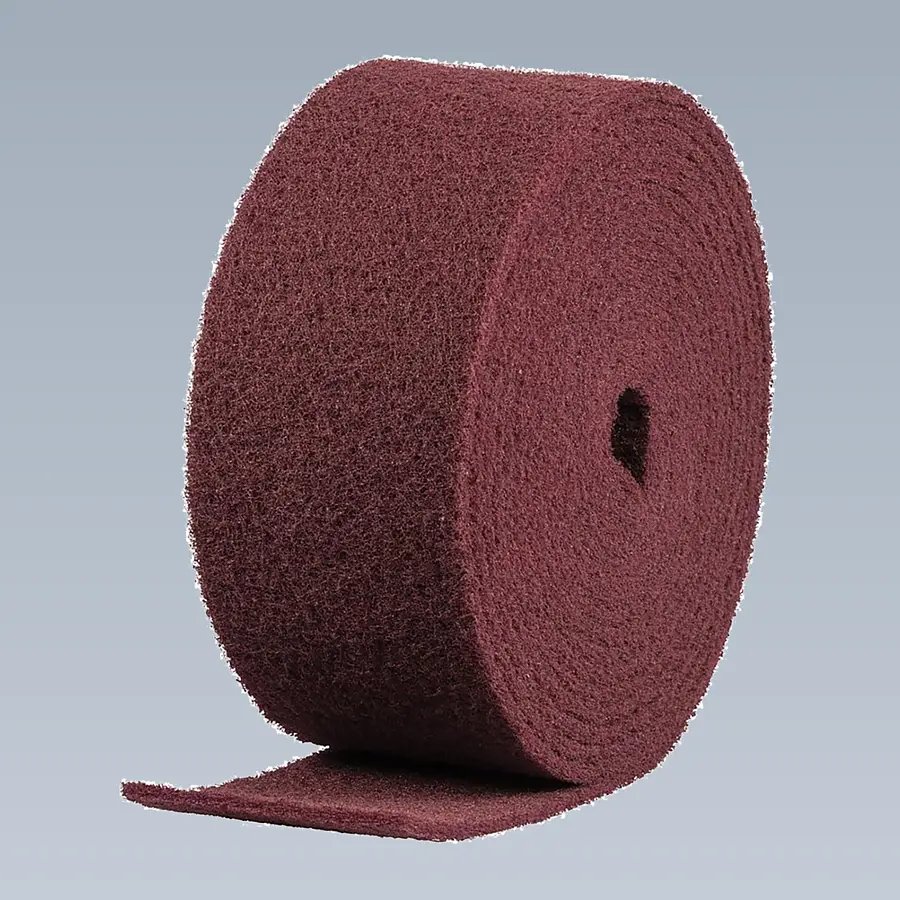
Non-Woven Abrasives
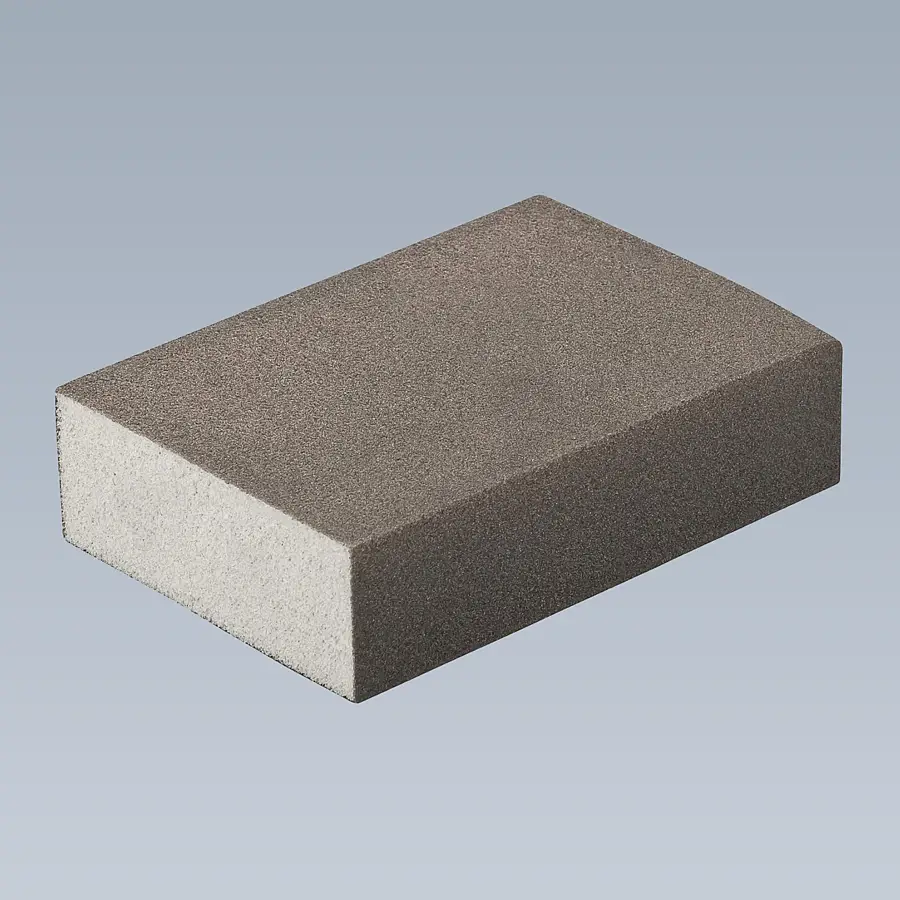
Abrasive Pads
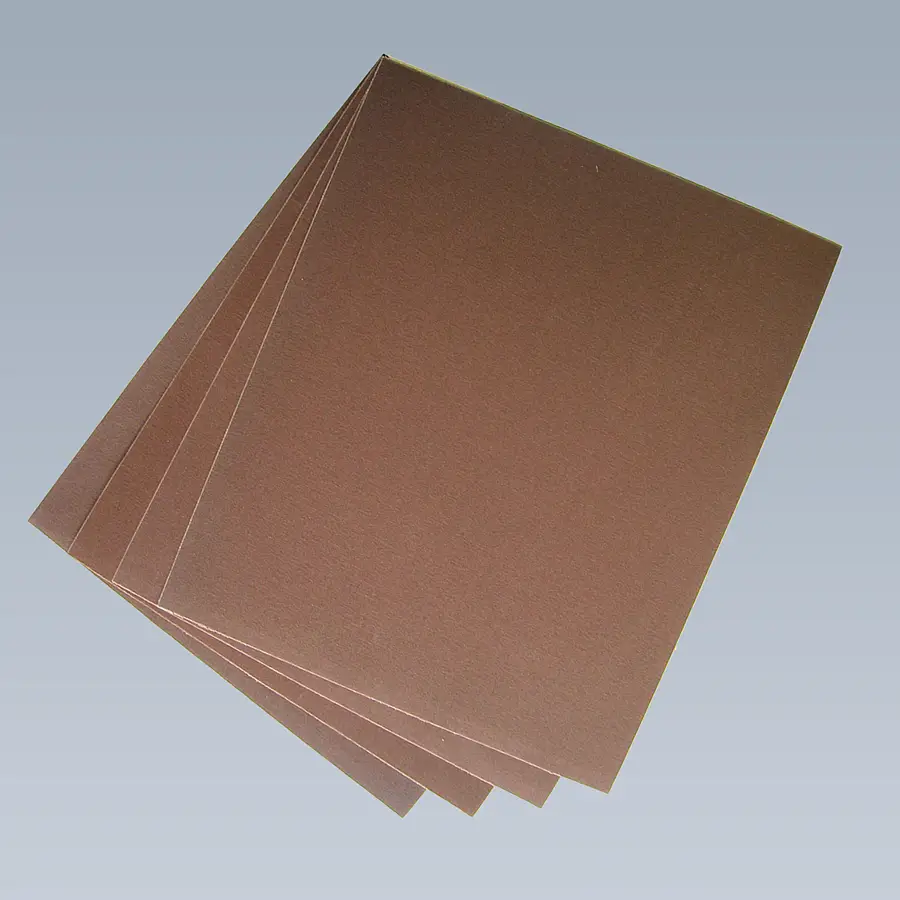
Sanding Sheets
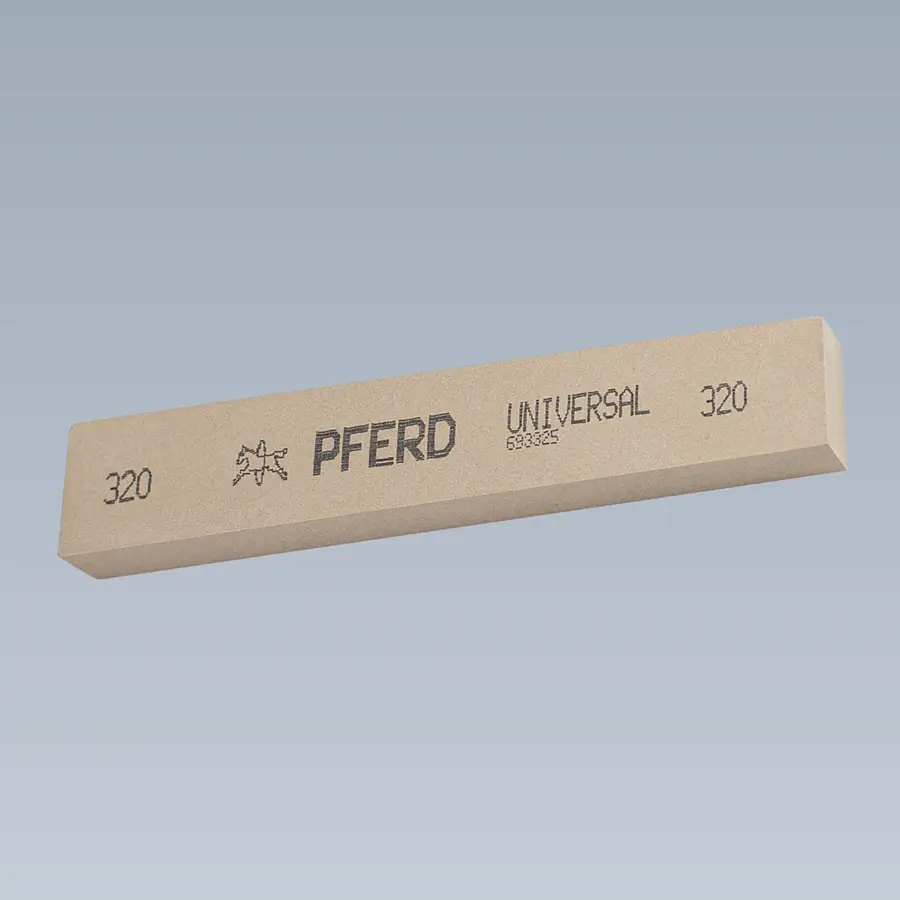
Grinding Stones
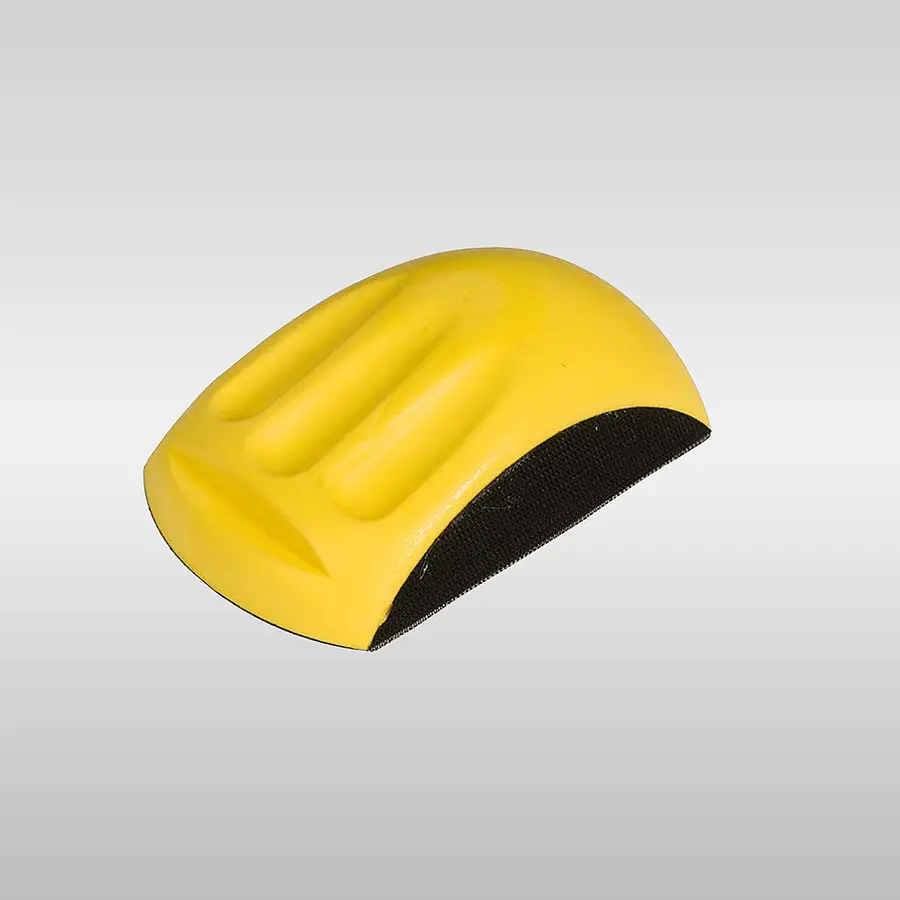
Sanding Blocks
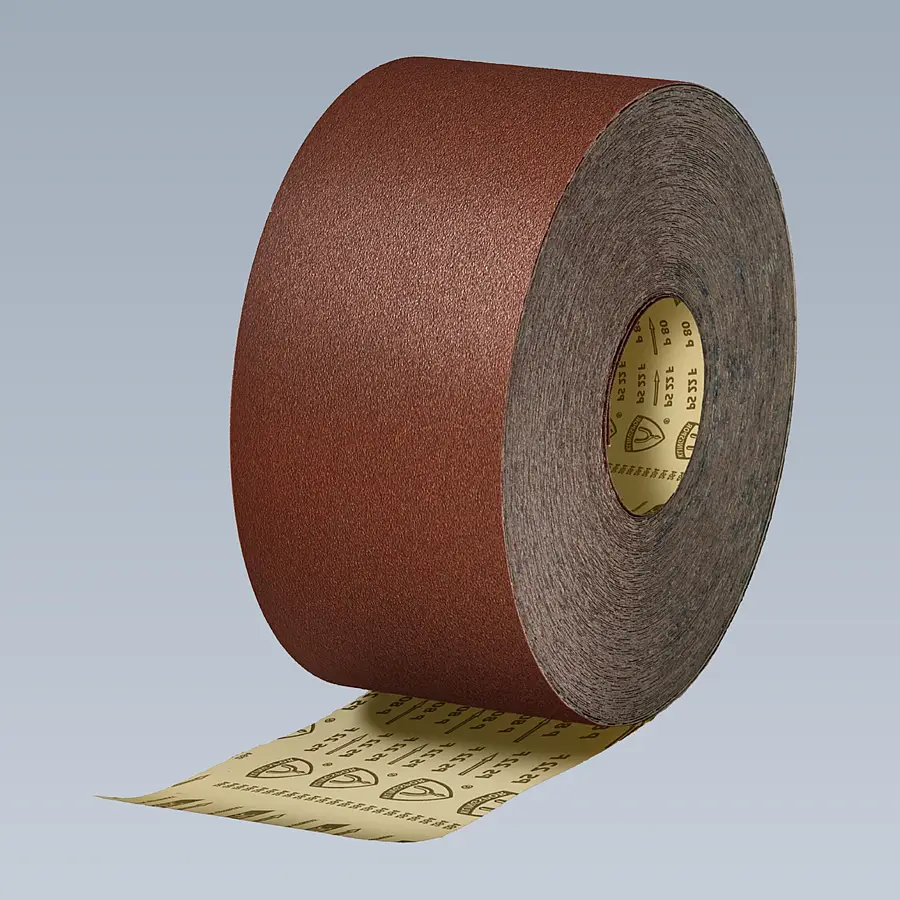
Abrasive Rolls
02
Selection criteria
Which hand sanding abrasive suits your task?
Start with the material, its current condition and the target finish: do you need to remove material, deburr an edge or prepare a fine surface? Flexible coated abrasives, non-wovens, sponges and bonded stones serve different tasks on flat areas and contours. Check grain type, grade, backing and bond for the specific product, along with hand pressure and any wet or dry use. If the abrasive you currently use leaves grooves, loads up or wears too quickly, include that problem in the selection.
03
HAND SANDING RANGE
Hand sanding abrasives in the product range
The listing shows hand sanding abrasives and their assigned product formats. Compare product data on material, grain, backing and format for your process step.
No products found
No products are currently listed in this category. Request a call back and we will help you find the right product.
Request a callback04
HAND SANDING SELECTION GUIDE
From the current process to a suitable format
An abrasive already in use is a useful starting point, but does not establish that its format best suits the task. A sanding block can help guide work on a larger area; flexible sheets or compliant sponges are other options for contours. Open non-wovens and bonded grinding stones serve different purposes. Compare material removal, scratch pattern and service life on the actual workpiece. Paper, cloth, non-woven and film backed abrasives can be processed as roll stock where the material and geometry allow it; other conversion of coated abrasives is assessed case by case.
05
HAND SANDING QUESTIONS
Which hand sanding abrasives suit contours?
Flexible sanding sheets, abrasive rolls, non-woven abrasives or compliant sanding sponges may suit contoured surfaces. Paper and cloth backings follow curved areas differently, while a foam core distributes pressure more widely. The material, contour, starting condition and required finish determine the choice. Also check whether the specific product is intended for wet or dry sanding. A rigid sanding block is more useful for controlled work on larger areas than for tight radii.
How do sanding sheets, non-woven abrasives and sanding sponges differ?
A sanding sheet carries abrasive grain on paper or cloth and can be guided across a flat area or contour by hand. Non-woven abrasive has an open structure; depending on its design, it can be used for texturing or fine finishing. A sanding sponge distributes pressure through its foam base and follows profiled workpieces. None of these formats replaces another without checking the application: material removal, target surface and workpiece material determine the suitable version.
When does a sanding block help?
A sanding block helps when you need to guide the abrasive and distribute applied pressure over a larger area. The manufacturer describes a larger working area and a change in pressure distribution. On strongly curved workpieces, a flexible sheet or sanding sponge may be more suitable. Before choosing a block, check which sheet format fits it and whether the combination can produce the required surface.
What information does Krückemeyer GmbH need to select a hand sanding abrasive?
Tell us the workpiece material and starting condition, the area or contour to be worked, the required material removal and the target finish. Details of the abrasive used so far and issues such as grooves, loading or short service life are helpful. Add whether the work is done by hand, with a sanding block or in another process, and which format is needed. The abrasives team can then assess suitable product forms and, where the backing permits it, a possible converted format.
06
Request advice
Describe the material, process step, target finish and abrasive used so far. Our abrasives team can review the product format and, for suitable backing material, possible conversion.
Choose hand sanding abrasives for your application
Tell us about your workpiece, target finish and current difficulty. We will review the appropriate product version and respond to your enquiry.

HAND SANDING ADVICE
Jürgen Müller
Contact for products
Discuss the material, required scratch pattern and suitable hand sanding formats with Jürgen Müller.
Advice and sales to business customers only!