SANDING CAPS FOR PRECISE WORK
Sanding caps for detail and contour work
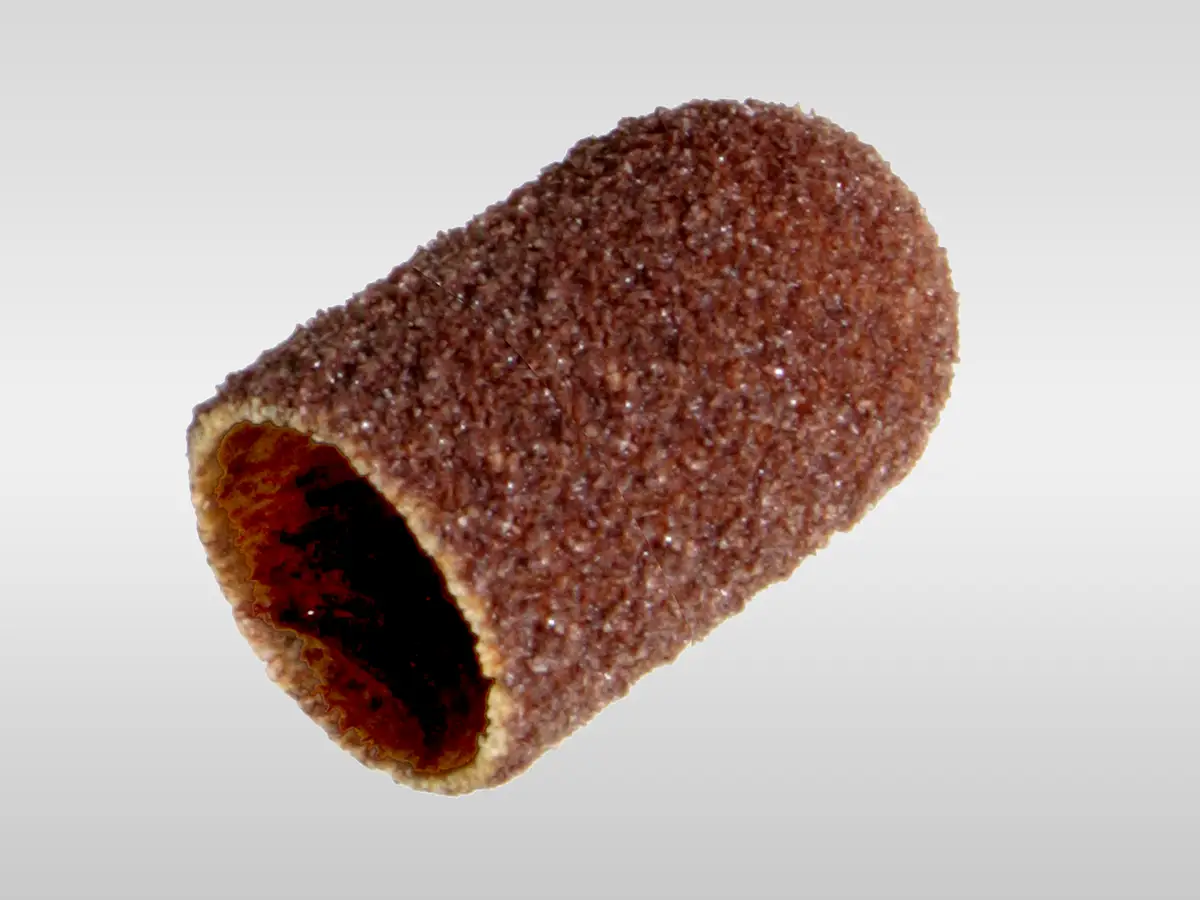
Sanding caps work on small radii, contours and areas that are hard to reach. Selection depends on the workpiece material, required stock removal, surface target, cap geometry and matching holder.
01
Subcategories
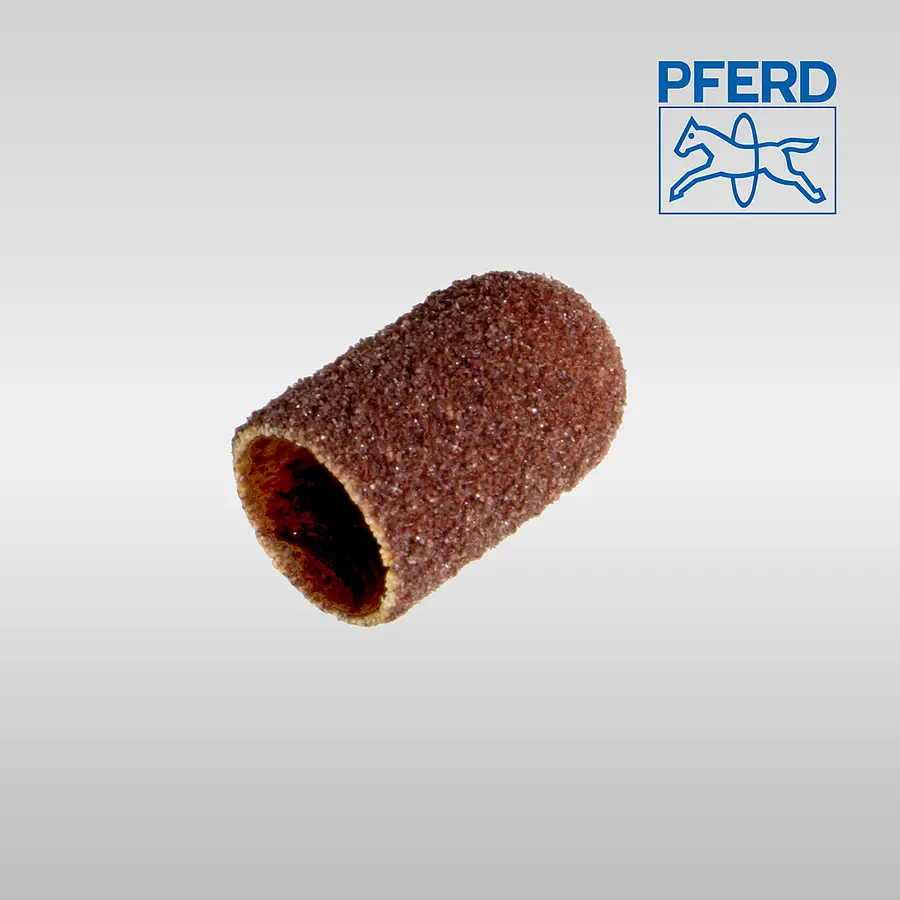
PFERD grinding caps
02
Selection criteria
Which sanding cap fits the workpiece and task?
Start with the workpiece: Which material are you working on, how accessible is the area, and do you need to level the surface or refine it in stages? POLICAP caps come in cylindrical, round-ended cylindrical, tapered cylindrical and rounded cone shapes. Aluminium oxide A is intended for steels; SiC-COOL is described for aluminium and titanium, and CO-COOL for stainless steel and difficult-to-machine alloys. Then match grit size, cap shape, dimensions and holder to the required surface result.
03
SANDING CAPS IN THE RANGE
Sanding caps and available variants
The filterable listing shows sanding caps assigned to this product category. Check each product for shape, abrasive, grit size and dimensions; operation requires a matching holder.
No products found
No products are currently listed in this category. Request a call back and we will help you find the right product.
Request a callback04
CHOOSING FROM THE RANGE
Match the cap, holder and drive
A sanding cap should not be chosen by name alone. The working area determines its shape; material and required stock removal determine the abrasive and grit. POLICAP caps are formed without seams and can be used across their entire working surface. The reusable holder must match the cap in shape and dimensions and needs to be considered separately. PFERD names flexible shaft drives and straight grinders as suitable drives; check operating conditions for the specific combination.
If the current abrasive clogs, the workpiece gets too hot or a radius is hard to reach, tell us the material, initial condition, target surface and current process. Sanding sleeves are a separate product form; compare them for longer or differently shaped working areas under Sanding sleeves. For a specific POLICAP selection, continue to PFERD sanding caps.
05
QUESTIONS ABOUT SANDING CAPS
Which sanding cap shape suits a tight contour?
It depends on the contour and the contact area you can reach. POLICAP offers cylindrical, round-ended cylindrical, tapered cylindrical and rounded cone sanding caps. A tapered shape can reach different areas from a cylindrical cap, but this does not make it suitable for every radius. Compare the geometry of the working area with the shape and dimensions of the specific product. Also tell us the material, accessibility and desired surface so that the choice does not depend on your current tool alone.
How do aluminium oxide A, SiC-COOL and CO-COOL differ in sanding caps?
They are intended for different materials and working conditions. PFERD describes aluminium oxide A for steels and other uses including plastics or wood. SiC-COOL is described for aluminium, titanium and their alloys; its grinding aid is intended to support cooler grinding. CO-COOL with ceramic grain is intended for stainless steel and nickel- or cobalt-based alloys. The specific variant remains decisive: match abrasive system, grit size and shape to the material, stock removal and surface target instead of treating the systems as interchangeable.
Does a sanding cap need its own holder?
Yes. POLICAP sanding caps are used with a matching reusable holder. PFERD assigns specific holders to cap shapes by form and dimensions. The holder therefore needs separate consideration when selecting and sourcing a product. Before use, also check whether the chosen combination fits the drive and which operating conditions apply to the cap and holder. An existing mounting does not establish that another cap shape is suitable.
When should a sanding sleeve be considered instead of a sanding cap?
Consider a sanding sleeve when the working area and required tool geometry are better suited to a longer, conical sleeve. PFERD lists POLICAP sanding sleeves as a separate product form with their own holders, so the choice is more than a simple change of cap. Sanding caps can suit small contours and gradual fine sanding. Tell us the material, working area, abrasive currently used and desired surface so that we can compare cap, sleeve and holder in your process.
06
Request advice
Describe the material, contour, initial condition, target surface and abrasive you currently use. We will discuss cap shape, abrasive system, matching holder and suitability for your drive with you.
Enquire about sanding caps for your application
Send us details of the task, workpiece and tool. We will help you assess a suitable sanding cap and the holder it requires.

ABRASIVES ADVICE
Jürgen Müller
Contact for products
Jürgen Müller will discuss the material, working area and desired surface with you.
Advice and sales to business customers only!