

HAND ABRASIVES · MANUAL DEBURRING
Hand deburring tools for edges and holes
Hand deburring tools remove burrs from edges, holes and hard-to-reach contours manually. The right blade or countersink depends on the workpiece material and geometry.
01
Selection criteria
Which blade suits the material and contour?
Start with the area to be worked: deburring blades are used for edges and contours, a mini blade for the smallest geometries, and swivel-mounted countersinks for holes. Within the blades, the PFERD range distinguishes versions for steel and aluminium, for plastics and other soft materials, and for non-ferrous metals and cast iron.
02
Hand deburring range
Hand deburring tools, blades and countersinks in the range
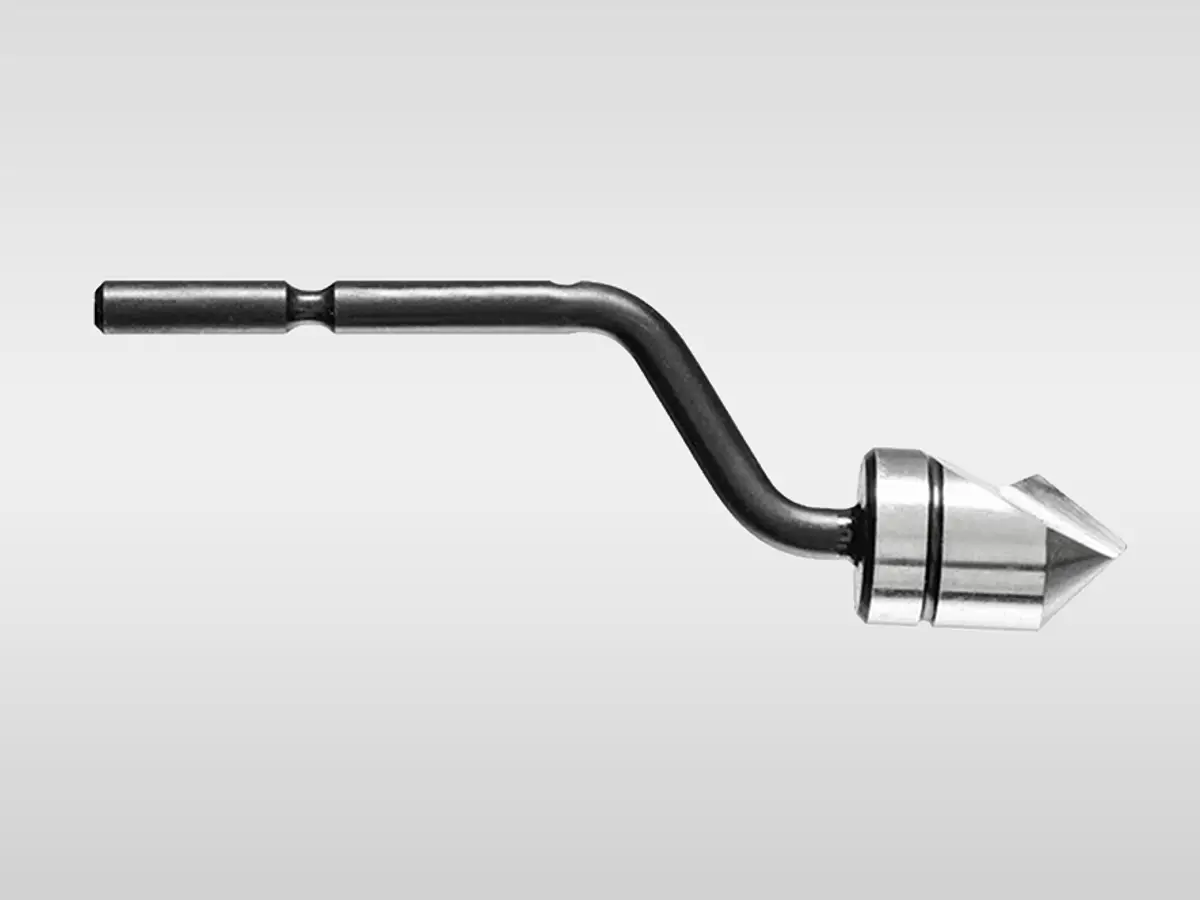
The listing shows the holder as well as PFERD deburring blades, a mini blade and countersinks. The versions differ by working area and material.
No products found
No products are currently listed in this category. Request a call back and we will help you find the right product.
Request a callback03
Manual deburring
Choose a hand deburring tool by working area
A countersink is intended for holes; at edges, grooves, and inner or outer diameters, access to the contour determines the blade choice. Blades and countersinks are guided with the matching holder and can be changed. Check the material, location of the burr and desired edge finish before selecting a version. We can help assess an unclear geometry.
04
Questions about hand deburring
Which hand deburring blade is suitable for steel or aluminium?
The PFERD range includes a deburring blade designated for steel and aluminium. Other blades are described for plastics and soft materials or for non-ferrous metals and cast iron. Select the blade according to the actual material and edge shape. If you work with several materials or hard-to-reach contours, check the combination of blade and holder for your specific application.
How do I deburr holes with a hand deburring tool?
Swivel-mounted countersinks are intended for holes and are guided manually with the matching holder. The tool family is described for finishing holes and hard-to-reach areas. Check the hole geometry and material before choosing a countersink; a blade intended for external edges does not automatically replace the appropriate tool for a hole.
What works for very small or hard-to-reach contours?
PFERD specifies a mini blade for the smallest geometries and describes the hand deburring family as suitable for hard-to-reach areas. The key question is whether the blade can reach the contour and be guided securely with its holder. Grooves, threads, and inner and outer diameters are possible working areas. The right version still depends on the material and the shape of the burr.
When should I choose the blade and holder separately?
The holder accepts replaceable deburring blades, the mini blade or a countersink. Selection therefore starts with the task and material; the next step is to check which tool fits the matching holder. The interchangeable design lets you work on different contours with the intended insert. Ask us to check the combination if you want to continue using components you already have.
05
Request advice
Tell us the material, working area and contour of the burr. This lets us assess the blade, countersink and holder for your manual application together.
Select a hand deburring tool for your application
Are you working on holes, edges or tight contours? Tell us the material and component geometry so that we can check a suitable version.

ABRASIVES ADVICE
Jürgen Müller
Contact for products
Jürgen Müller can help you select an option for the material and contour of your workpiece.
Advice and sales to business customers only!