
HAND SANDING · ABRASIVES
Sanding Sponges for Contours and Surfaces
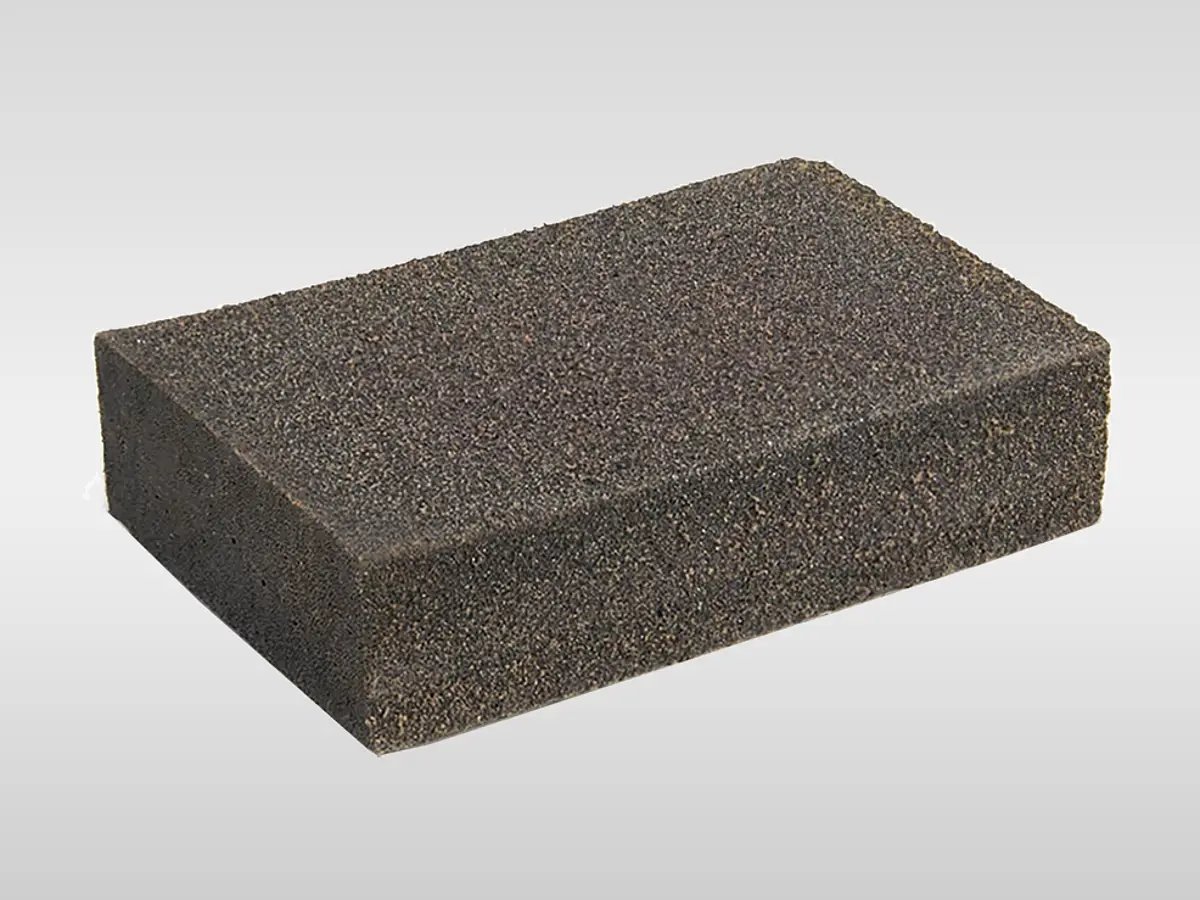
During hand sanding, the compliant foam layer of a sanding sponge distributes pressure and follows profiles and contours. Choose the version to suit the material, part geometry and required finish.
01
Selection criteria
Choose a sanding sponge for the surface and contour
A thin, flexible sanding sponge can suit profiles and recesses; a firmer version can provide greater edge stability on flatter areas. Before choosing, compare the abrasive grain, grit, hardness and number of coated sides of the specific product. Klingspor SW 501 and SW 502 are coated on two sides, SW 510 on one side; the 3M range also includes four-sided versions.
02
SANDING SPONGES
Sanding sponges in the range
The product listing shows sanding sponges for hand sanding, including flexible Klingspor models and soft and hard 3M versions. Technical specifications are provided with each product.
No products found
No products are currently listed in this category. Request a call back and we will help you find the right product.
Request a callback03
CHOOSING A SANDING SPONGE
Which version suits your workpiece?
Klingspor describes SW 501 and SW 510 as aluminium oxide versions for wood and paint, lacquer and filler surfaces. SW 502 uses silicon carbide; the manufacturer lists paint, lacquer, filler and plastics as applications. The two-sided SW 501 and SW 502 can be used on profiled surfaces; the thin SW 510 also reaches narrower recesses and edges. For the specific process, check the grit, hardness and suitability for wet or dry sanding. Tell us the material, part geometry and finish you need if you would like help assessing the options.
04
SANDING SPONGE QUESTIONS
What is a sanding sponge suitable for in hand sanding?
A sanding sponge is suitable for manually sanding contours, profiles and sensitive surfaces. Its compliant foam layer distributes pressure and can support an even sanding pattern. A thin, flexible sponge such as Klingspor SW 510 is designed for hard-to-reach recesses and edges; firmer versions can be useful on flatter parts. The right choice depends on the material, part geometry and required surface condition.
Which sanding sponge properties matter when choosing a product?
The key properties are abrasive grain, grit, hardness, construction and the number of coated sides. The range includes Klingspor SW 501 with aluminium oxide and SW 502 with silicon carbide; both are flexible sanding sponges coated on two sides. The thin SW 510 is coated on one side and described for recesses, profiles and edges. Four-sided 3M versions are available in soft and hard forms. Compare the specifications of the actual product with your material and required finish.
Can a sanding sponge be used for wet and dry sanding?
Yes, if the selected version is specified for that use. The documented Klingspor SW 501, SW 502 and SW 510 models are water-resistant; SW 510 is expressly described for wet and dry sanding. The catalogue also specifies both methods for several four-sided 3M sanding sponges. This does not mean every sponge or material is suitable. Check the details of the specific product and the requirements of your surface before choosing the process.
When is a sanding sponge preferable to a sanding sheet or hand block?
For sensitive surfaces and changing contours, the pressure-distributing foam layer can make a sanding sponge suitable. A sanding sheet also allows higher local pressure in hand sanding, while a hand block supports work on larger surfaces. Sponges themselves come in soft and hard versions: a soft form follows profiles, while a harder form can provide more edge stability on flat areas. Base the choice on part geometry, removal requirements and the finish you need.
05
Request advice
Describe the material, profile or surface and the finish you need. We can help you compare the documented properties of the sanding sponges with your application.
Choose a sanding sponge for your application
Talk to us about the grain type, hardness and construction that suit your workpiece and process.

ABRASIVES · ADVICE
Jürgen Müller
Contact for products
Jürgen Müller can help you choose a sanding sponge for your material, contour and required finish.
Advice and sales to business customers only!