

ABRASIVE TECHNOLOGY FOR INDUSTRIAL APPLICATIONS
Industrial abrasives for surface processing
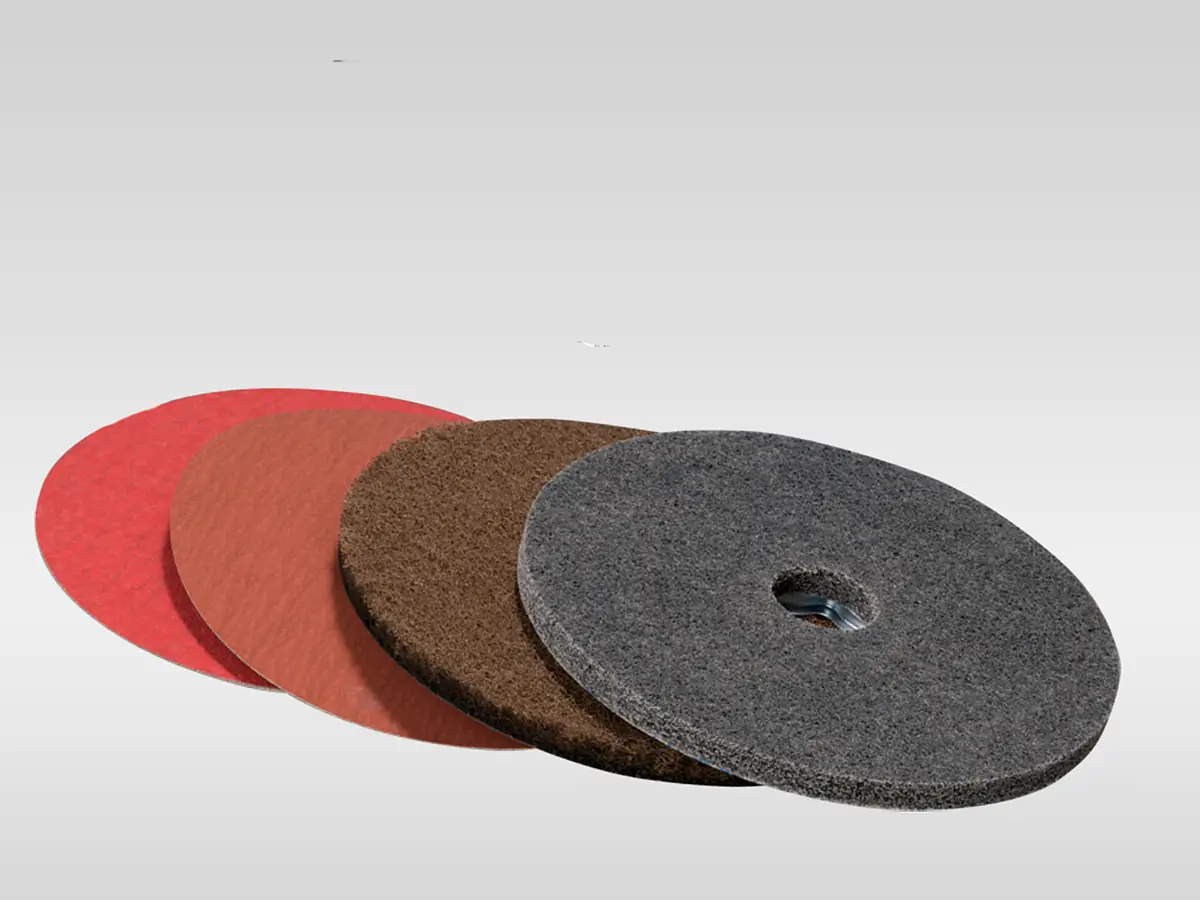
Select abrasives by workpiece, initial condition and desired surface. Belts, discs, nonwoven abrasives, brushes and tools serve different purposes; their form and specification must suit the available machine.
01
ABRASIVES BY FORM AND BRAND
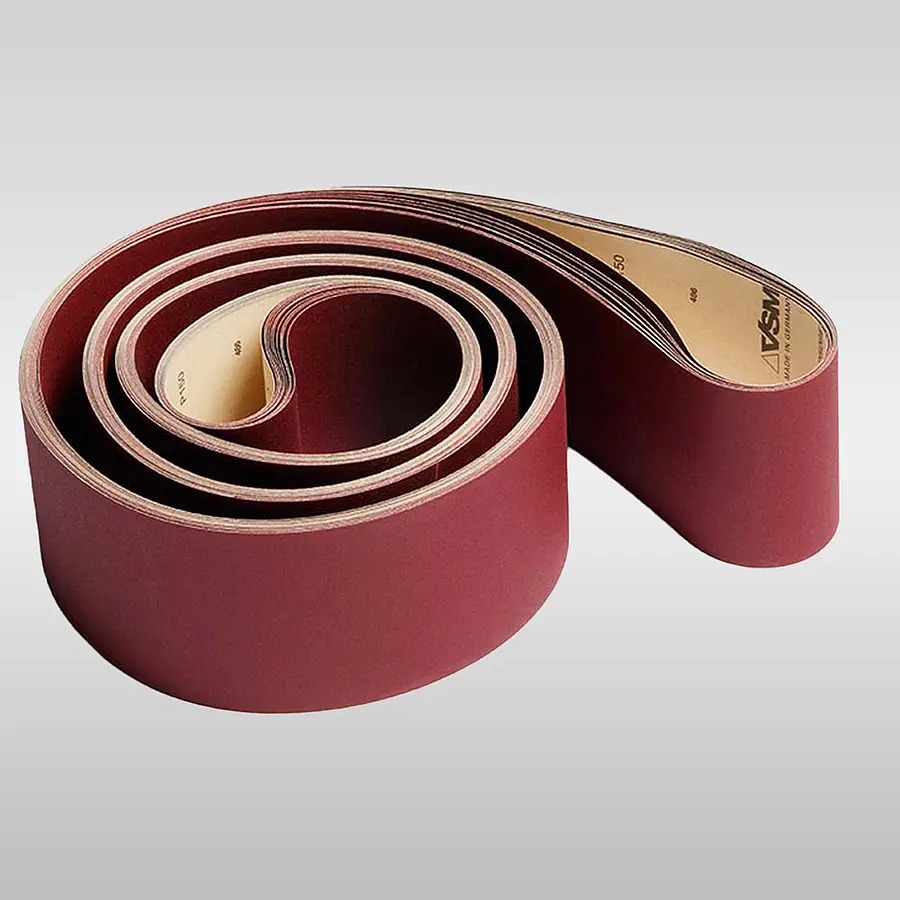
Abrasive belts
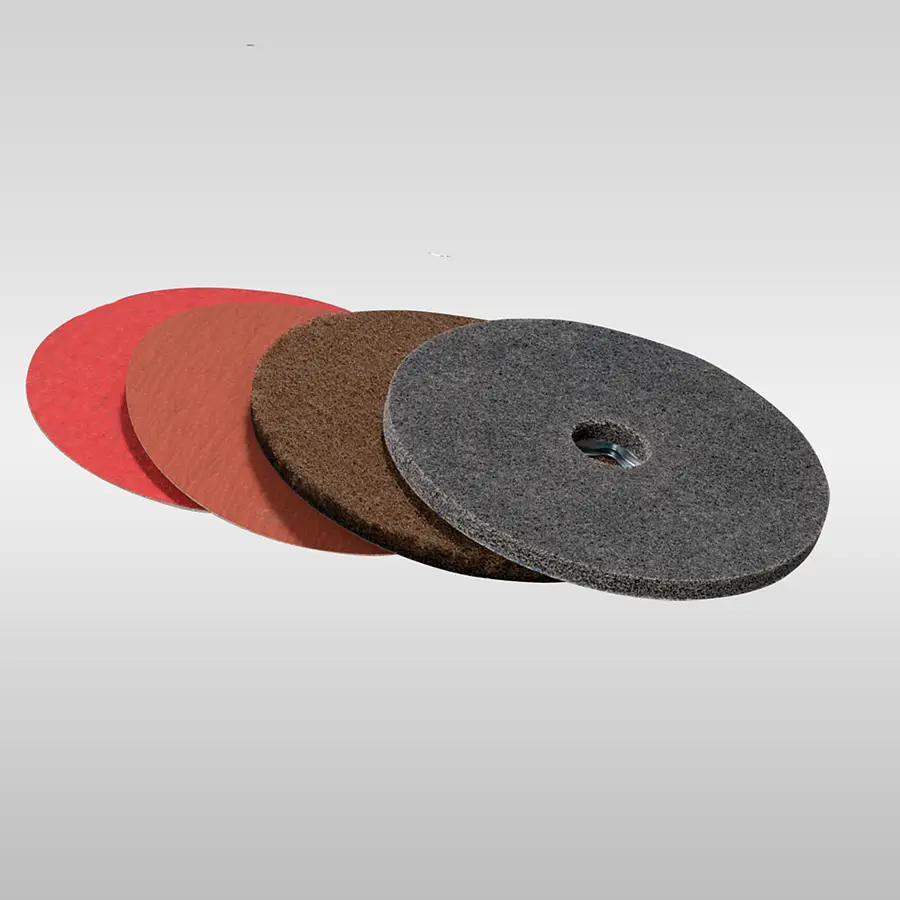
Abrasive technology
3M abrasives
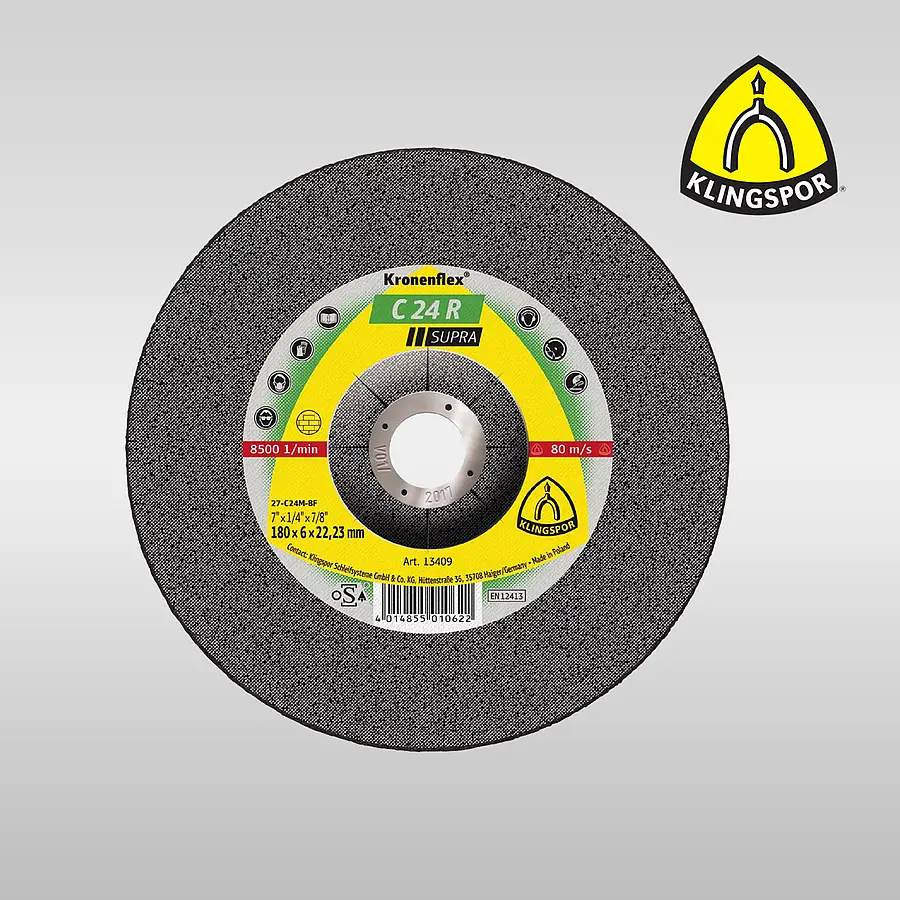
Klingspor abrasives
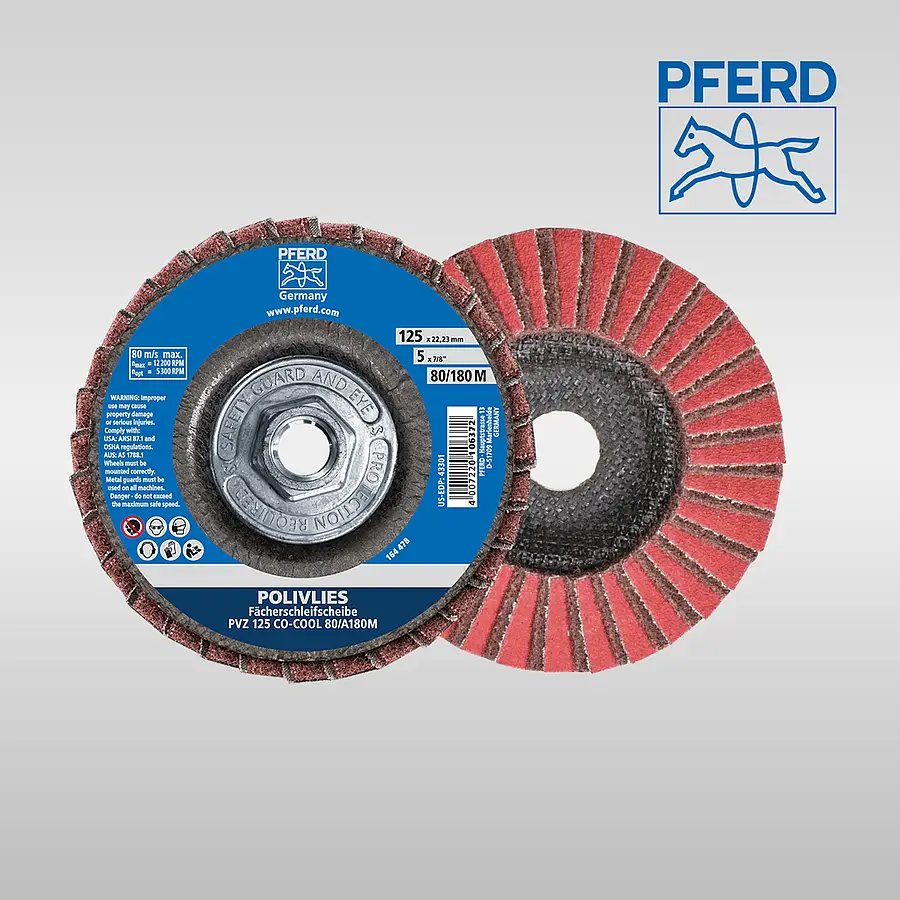
PFERD abrasives
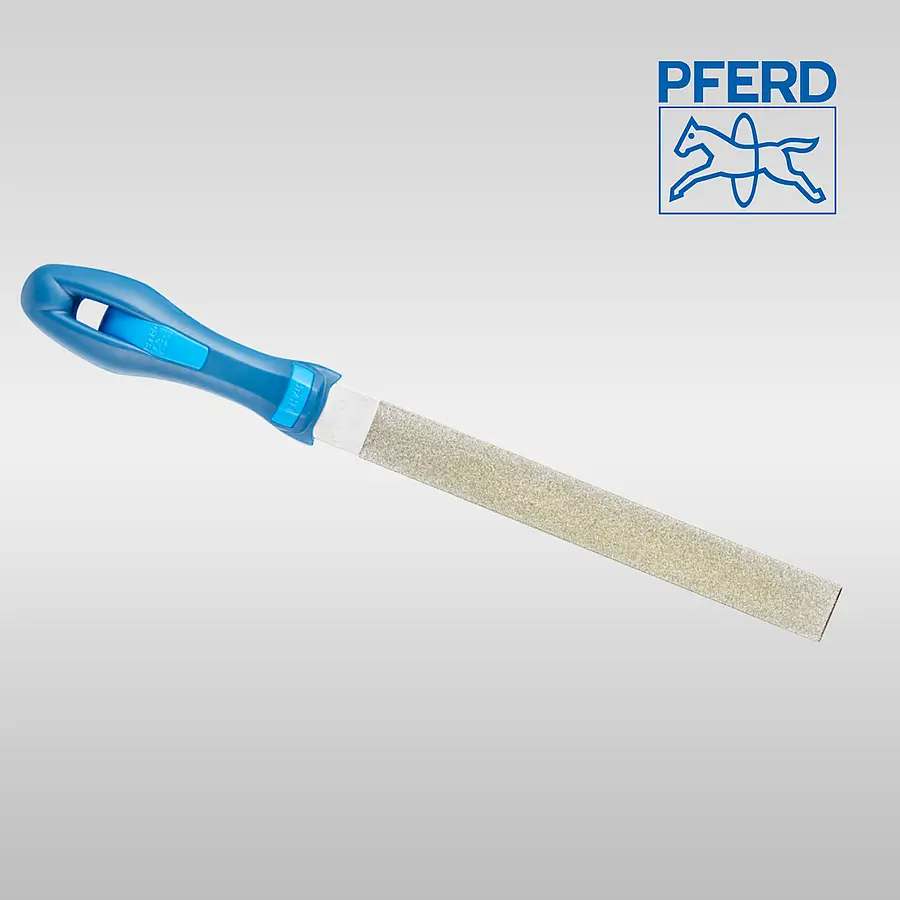
PFERD files
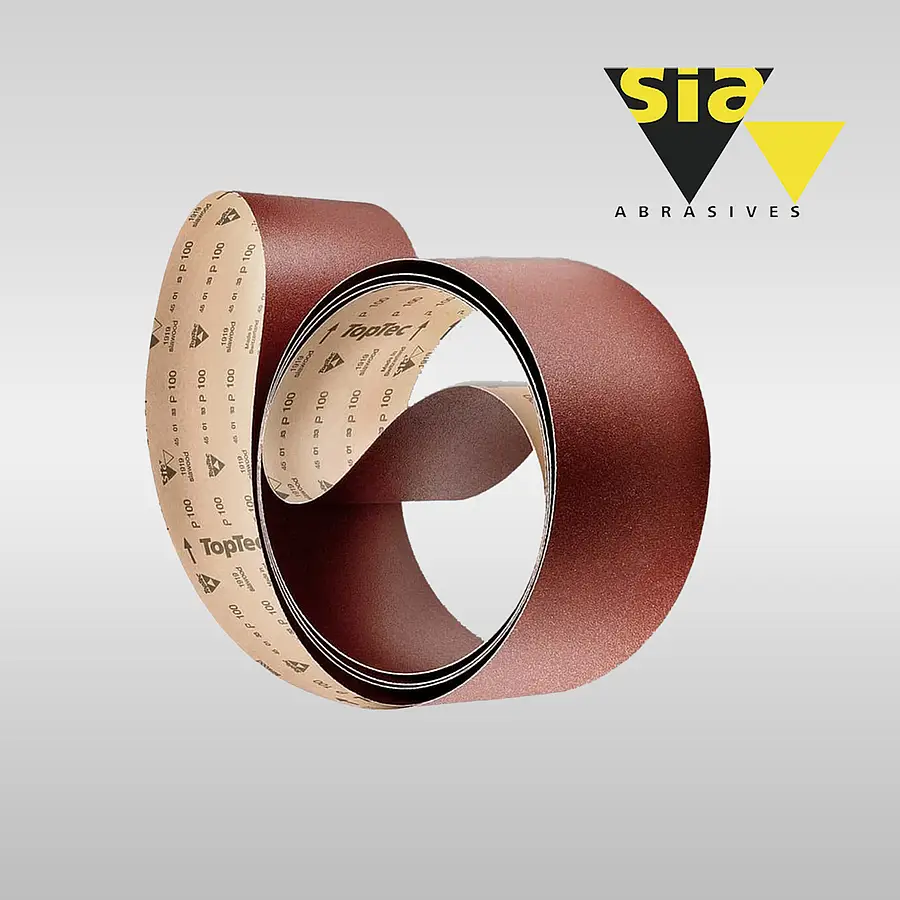
Sia abrasives
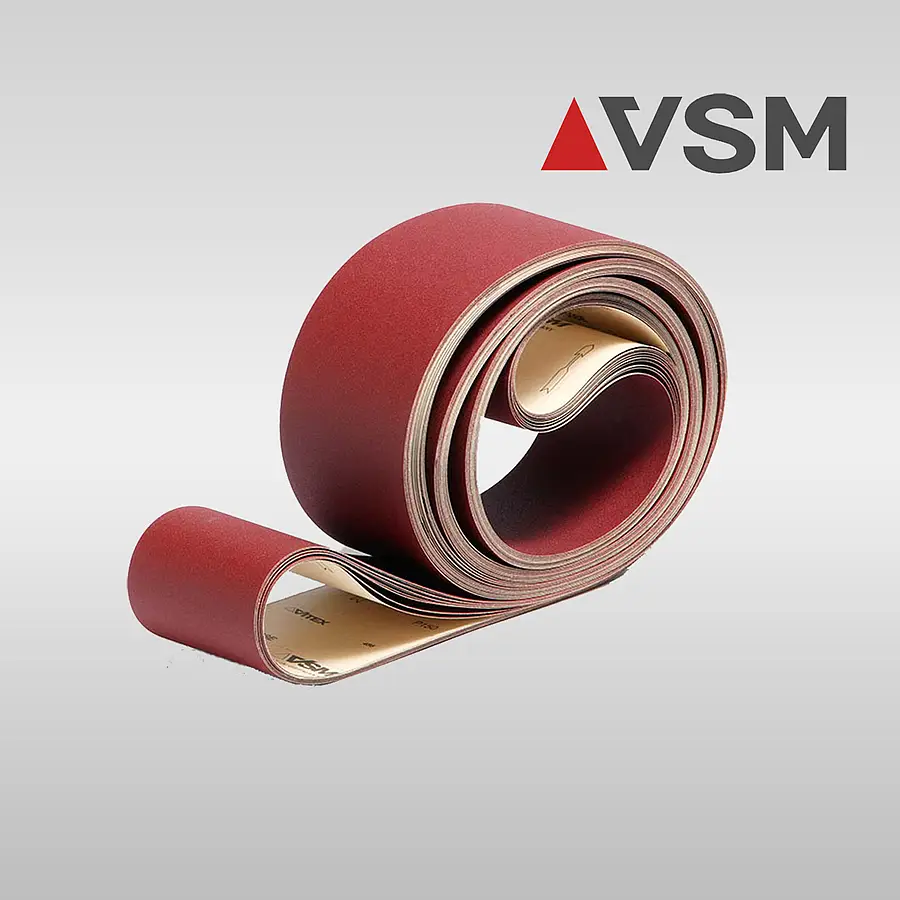
VSM abrasives
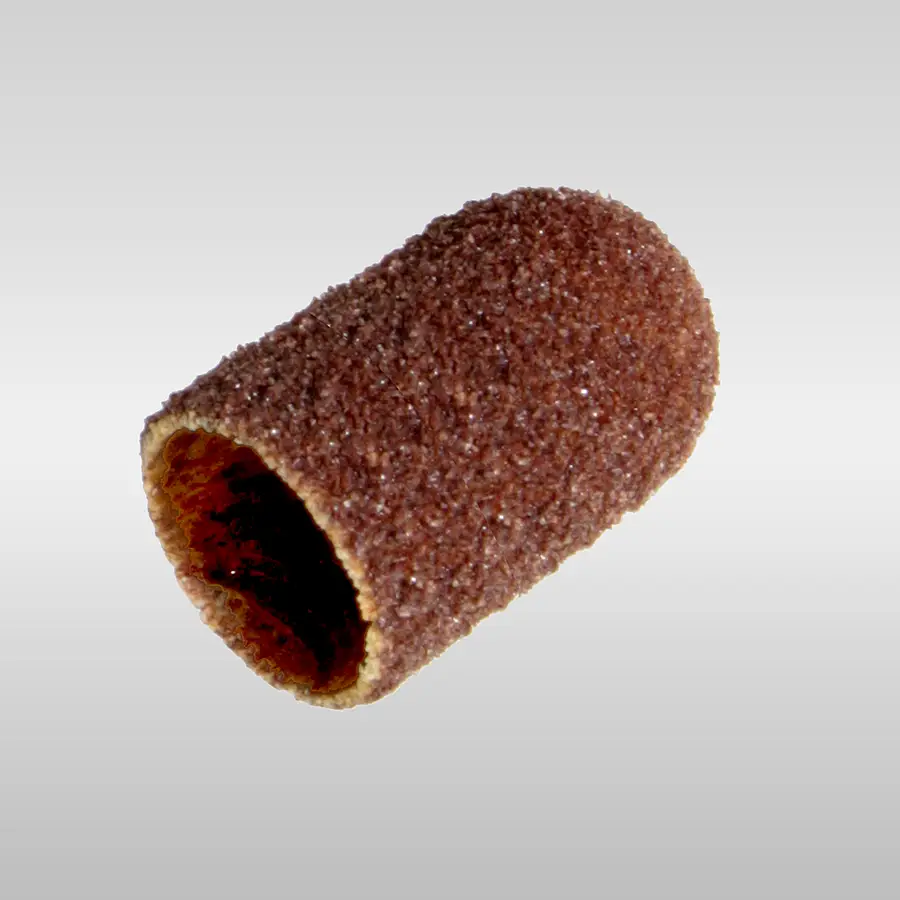
Abrasive caps
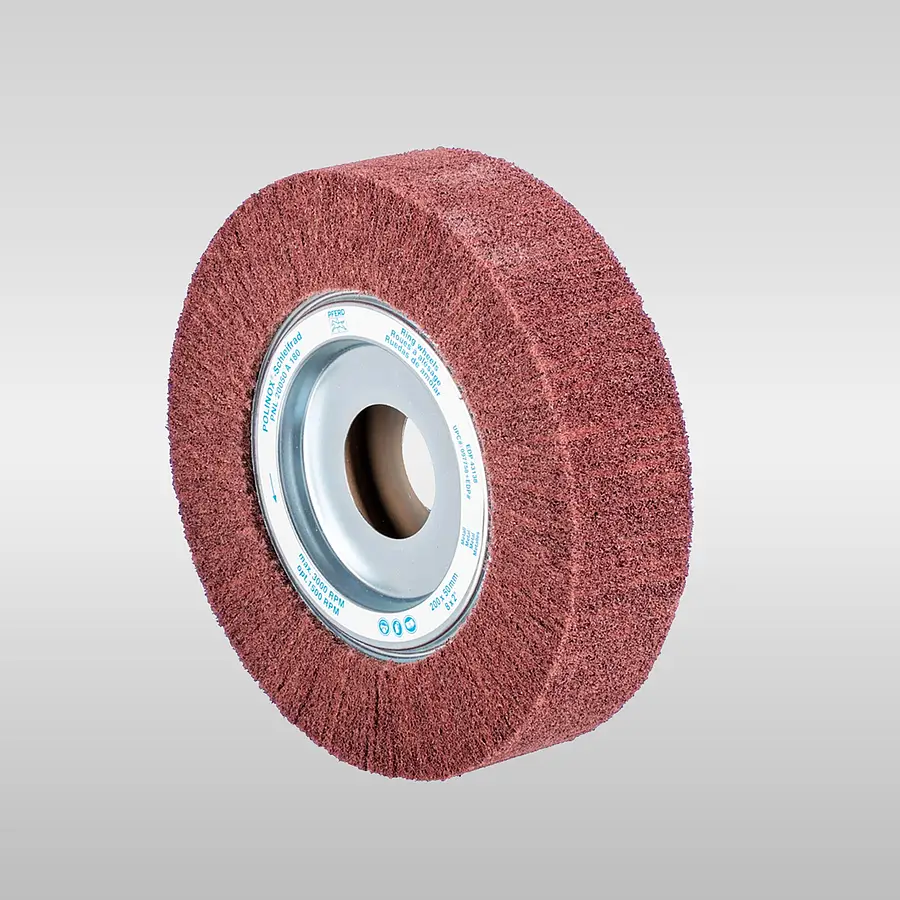
Abrasive wheels
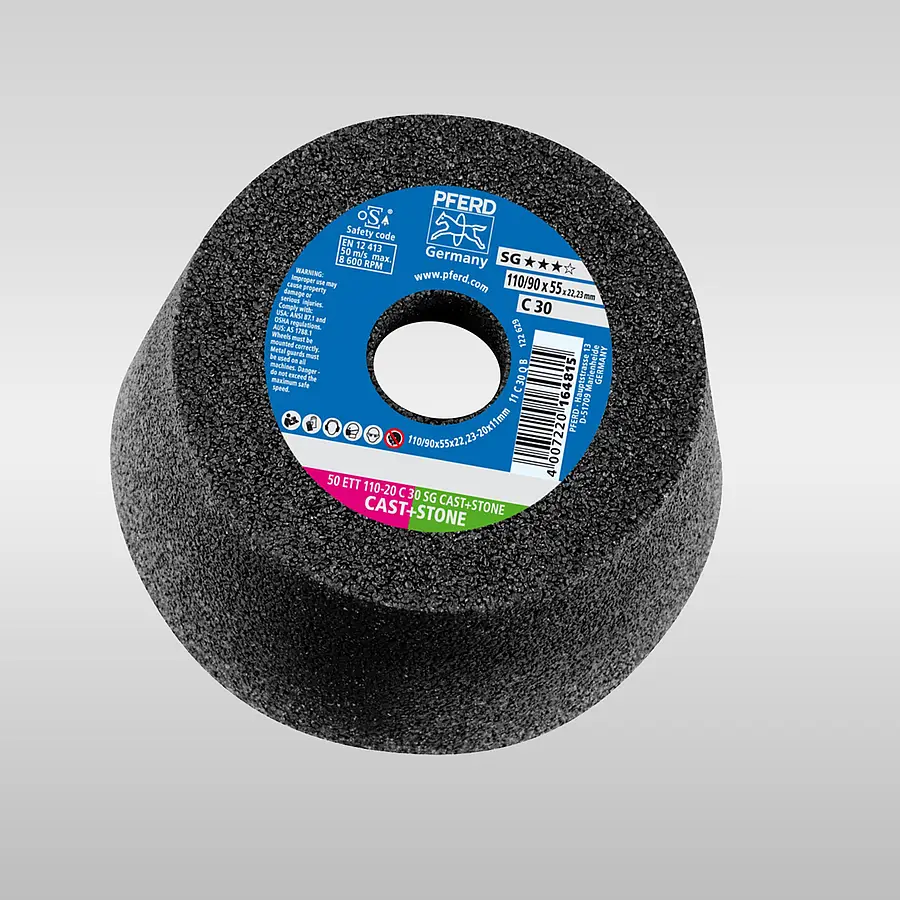
Cup wheels
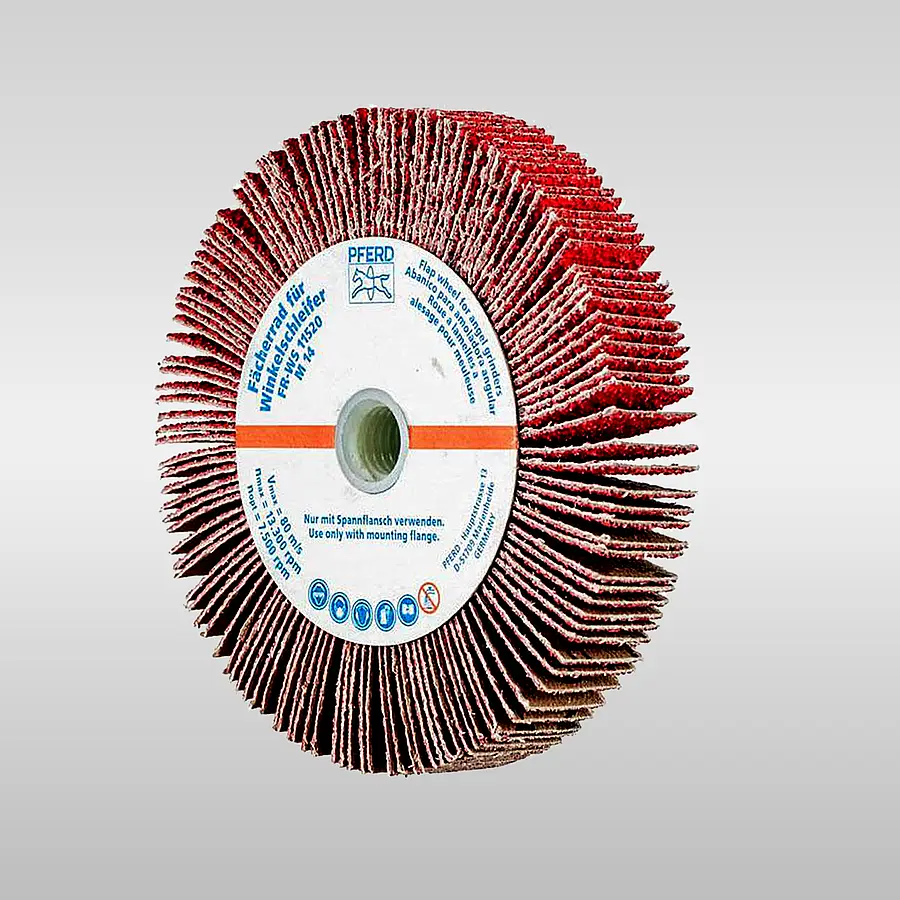
Lamellar abrasives
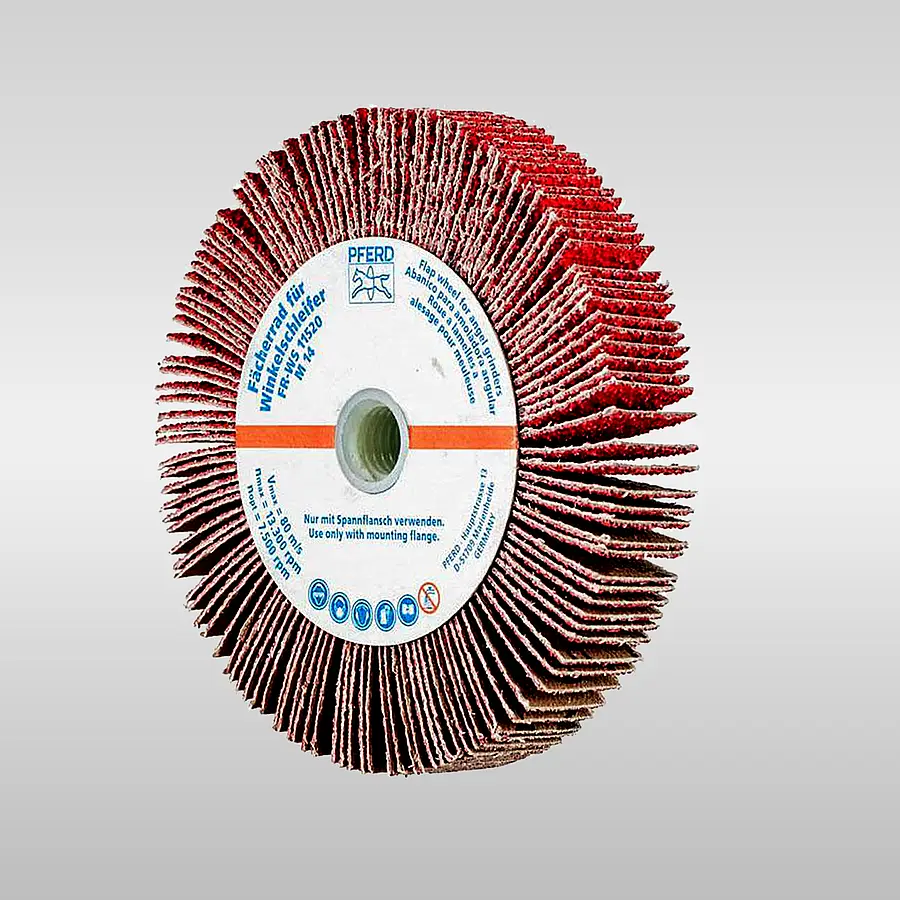
Flap abrasives
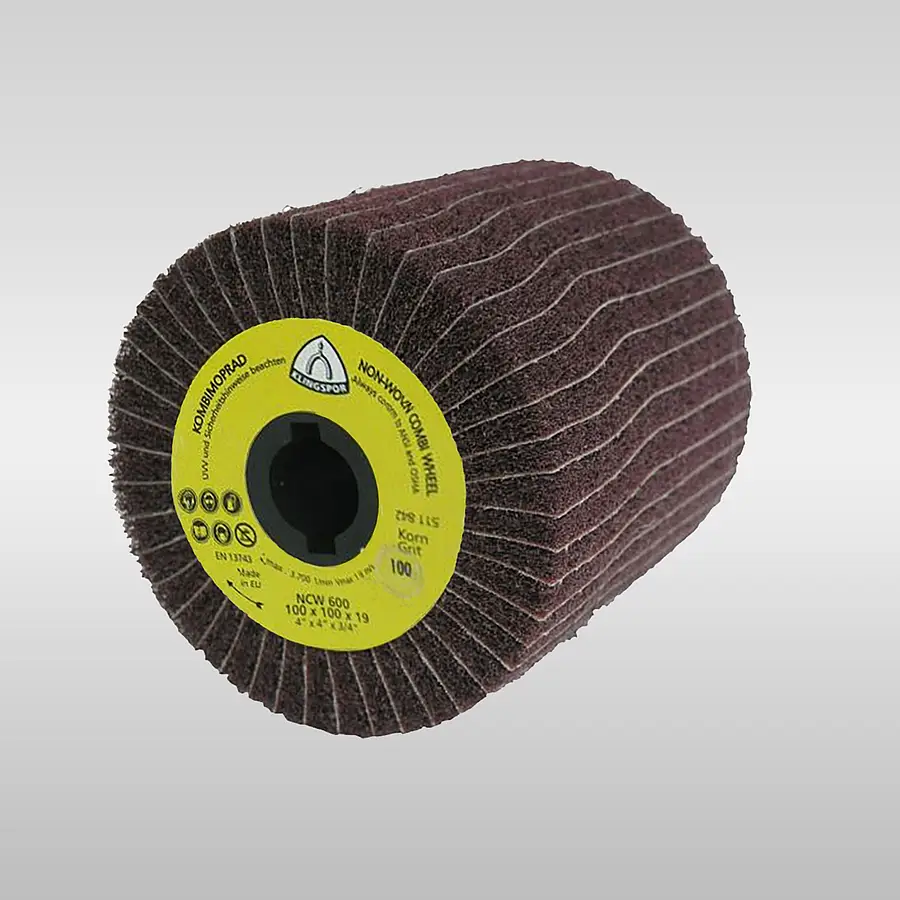
Abrasive rollers
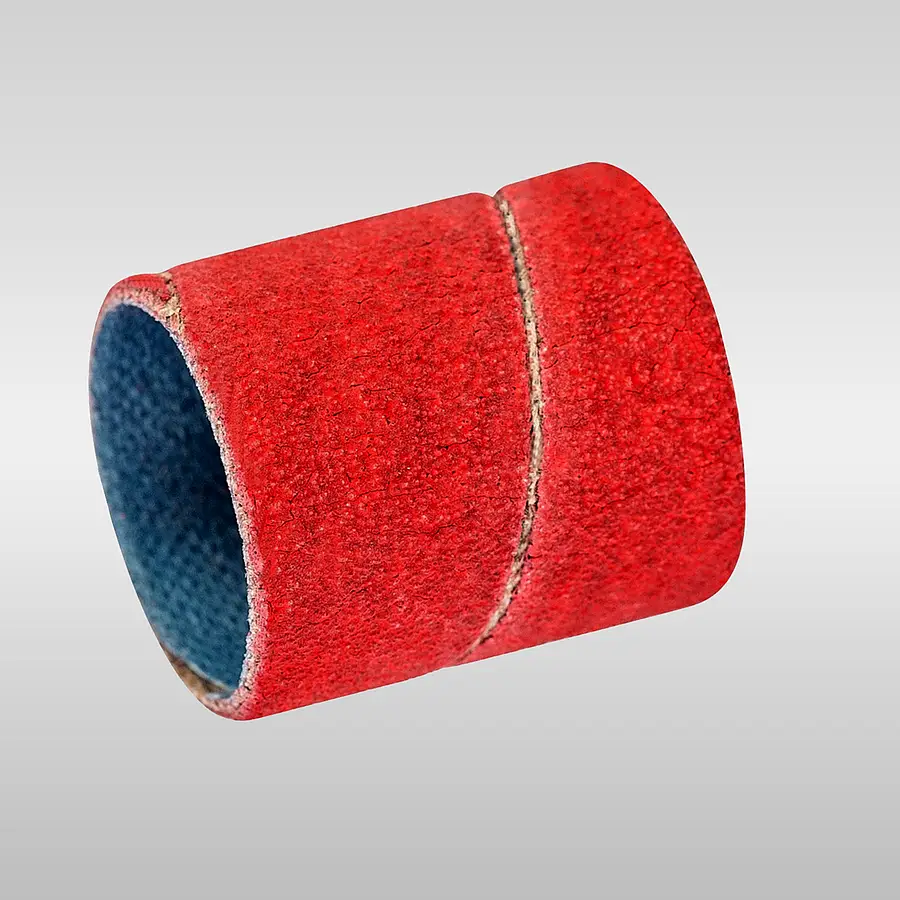
Abrasive sleeves
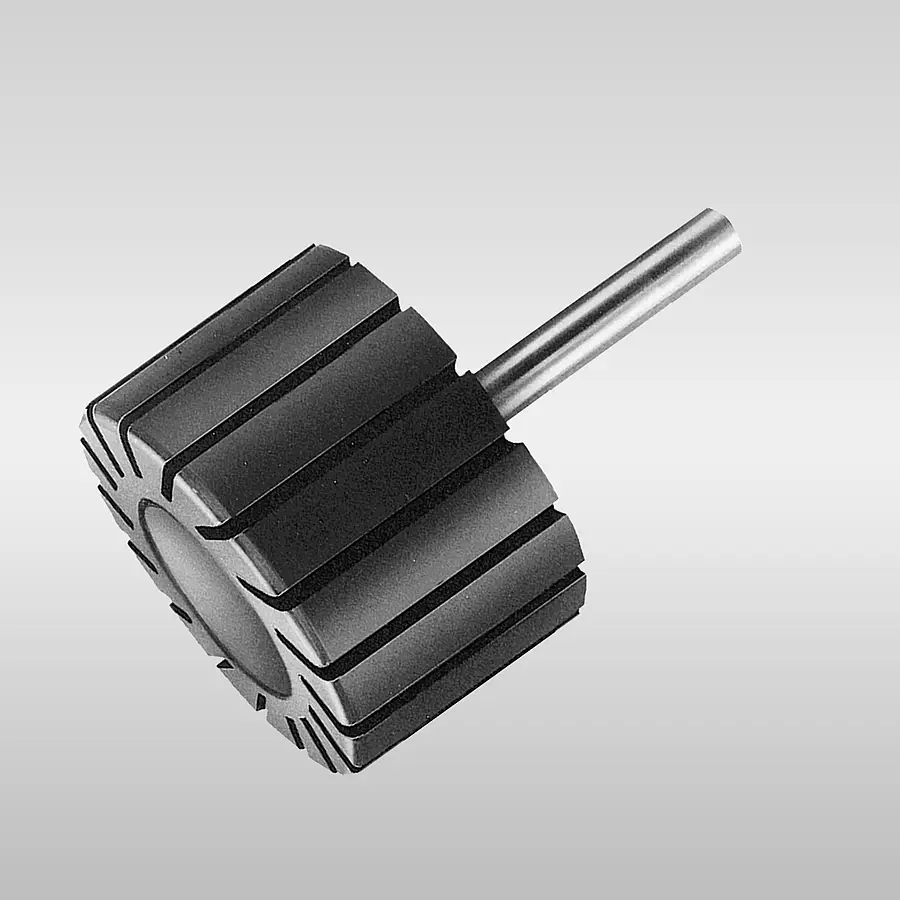
Abrasive cylinders
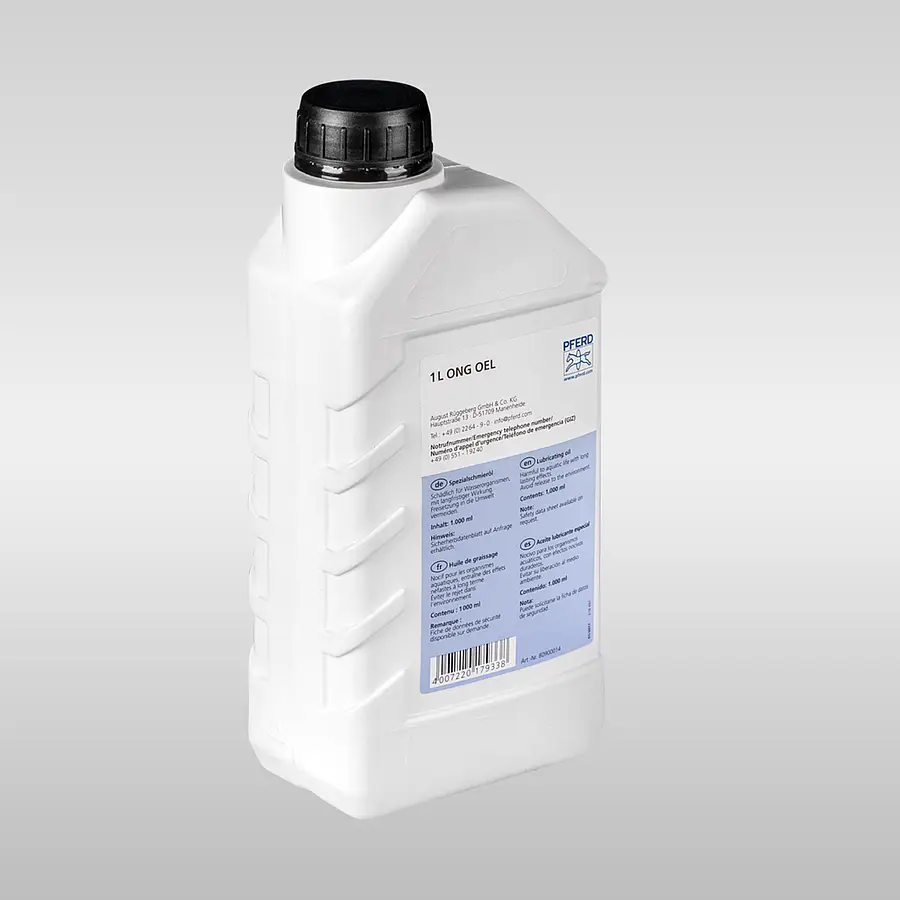
Grinding oil
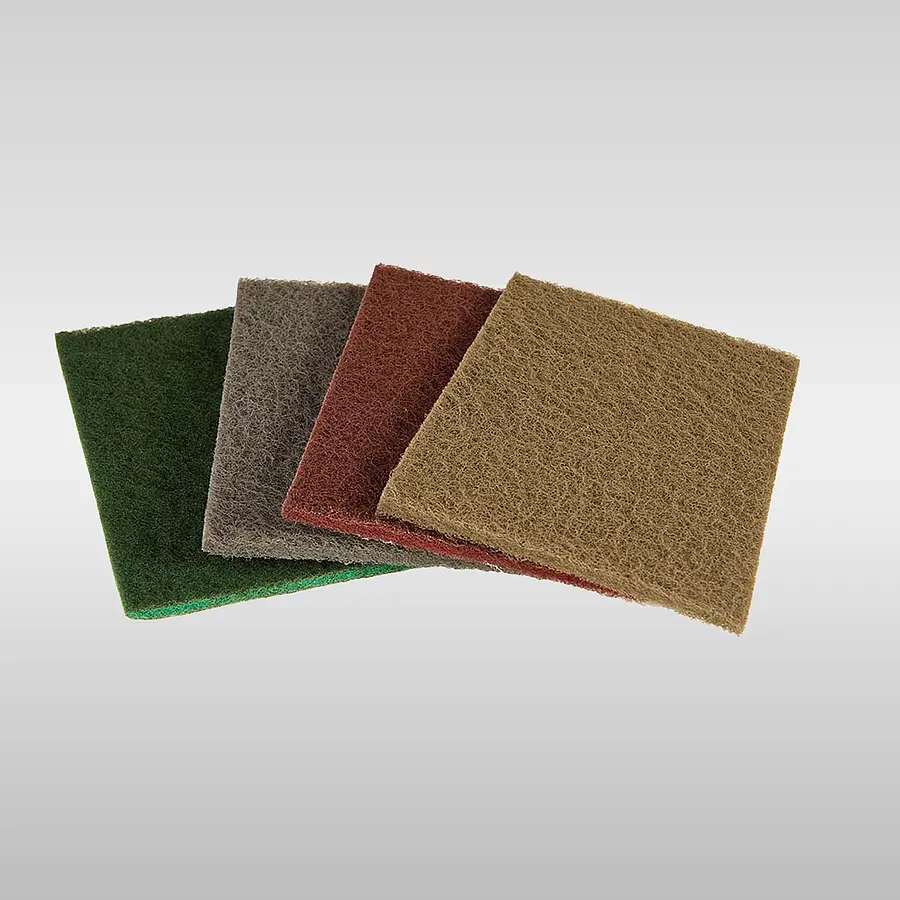
Hand abrasives
02
Selection criteria
What task must the abrasive perform?
Start with the material, the condition of the surface and the desired result: material removal, deburring, matting, finishing and polishing call for different products. Then check form, dimensions and mount on the available machine. With coated abrasives, backing, grain type, grain size and bond help narrow the choice; for nonwoven abrasives, brushes and bonded discs, use the specifications of the particular product. If an abrasive already in use removes material too slowly, wears too quickly or misses the required surface appearance, name it as a point of comparison.
03
ABRASIVES IN THE RANGE
Abrasives for different processing tasks
The filterable range includes abrasives in various forms and from different brands. Check product specifications and mount for your task; the subpages help you explore belts, tools, hand abrasives and brands.
No products found
No products are currently listed in this category. Request a call back and we will help you find the right product.
Request a callback04
SELECT BY APPLICATION
From processing target to suitable specification
An abrasive cloth belt, a disc with bonded grain, a nonwoven abrasive and a brush differ in construction, guidance and result. Compare the processing task first, then the specific product against the material, machine and mount. Grain size alone is insufficient: backing, grain type, bond and product form can affect material removal, service life and surface appearance. The product specifications determine the permitted application.
For coated abrasives, Krückemeyer GmbH can process suitable raw materials into belts, discs or strips. Material, backing, geometry, dimensions and specification determine feasibility; documented limits cannot be combined arbitrarily. Describe your workpiece, the abrasive currently used and the desired result in the enquiry form.
05
ABRASIVE SELECTION QUESTIONS
How should I begin selecting an abrasive?
Start with the workpiece, its initial condition and the desired surface. Specify whether you need to remove material, deburr an edge, matt a surface or produce a finish. Then check the available machine, accessible geometry and suitable product form. For coated abrasives, backing, grain type, grain size and bond also influence the choice. An abrasive already in use is a useful point of comparison, but the actual processing result should guide the decision.
How do abrasive belts, discs and nonwoven abrasives differ?
Form and construction determine their possible uses. An abrasive belt runs on a suitable belt machine; its dimensions and joint must match that machine. Abrasive discs include different products for different mounts and tasks, such as grinding or surface finishing. Nonwoven abrasives are used, among other things, for cleaning, matting and finishing. Check the operation and machine first; the shared term “abrasive” does not make these forms interchangeable.
What part do grain size and backing play in coated abrasives?
Grain size relates to the desired material removal and surface appearance, while the backing must suit mechanical stress and the workpiece contour. The backing carries the abrasive grain and transmits forces; tear resistance and flexibility matter to different degrees depending on the task. Grain type, bond and coating density must also suit the material and process. Tell us which product you currently use and whether you want to improve removal, service life or surface appearance. This helps us assess a suitable version.
When are abrasive brushes a suitable choice?
Abrasive brushes can be considered for specific deburring and surface tasks. The product catalogue includes different brush forms, including disc and round brushes. Suitability depends on the material, geometry, access to the processing area, bristle material and machine. The brush specifications and a mount that fits the machine guide the choice. A brush does not automatically replace an abrasive belt or disc; compare the required result on the actual workpiece.
Which abrasives can Krückemeyer convert?
Krückemeyer GmbH processes coated abrasive materials, including abrasive paper, abrasive cloth, nonwoven material and film abrasives. Possible finished forms include abrasive belts, discs and strips. For belts, material, backing, dimensions and the belt joint are assessed together; coated abrasive materials can also be die cut or slit where the material is suitable. Size limits cannot be combined arbitrarily. These processing capabilities do not automatically extend to bonded or finished abrasive tools.
What information should I provide when enquiring about abrasives?
State the material, workpiece geometry, initial condition, target surface and processing task. Add the machine and mount, the abrasive currently used, its strengths and the specific problem in your process. For possible converting, we also need the desired form, dimensions and version. With this information, Krückemeyer GmbH can narrow down products and processing options for your application. We assess product suitability and converting feasibility for the specific application.
06
Request advice
Tell us the material, initial condition, target surface and machine. We can assess a suitable product form with you and, for coated abrasives, an application-specific converted version.
Discuss your abrasive application
Describe your processing target, available machine and abrasive currently used. For specific products, use the enquiry list.

ABRASIVE TECHNOLOGY ADVICE
Jürgen Müller
Contact for products
Jürgen Müller discusses your material, surface target and suitable product form with you.