
PFERD FILES · MANUAL FINISHING
PFERD files for deburring, surfaces and contours
Whether you are working on an edge, surface, radius or cutting edge, the file shape must suit the geometry and the cut must suit the required removal and finish. Compare PFERD files by material and task; Krückemeyer GmbH can help you select a suitable option.
01
File types and accessories
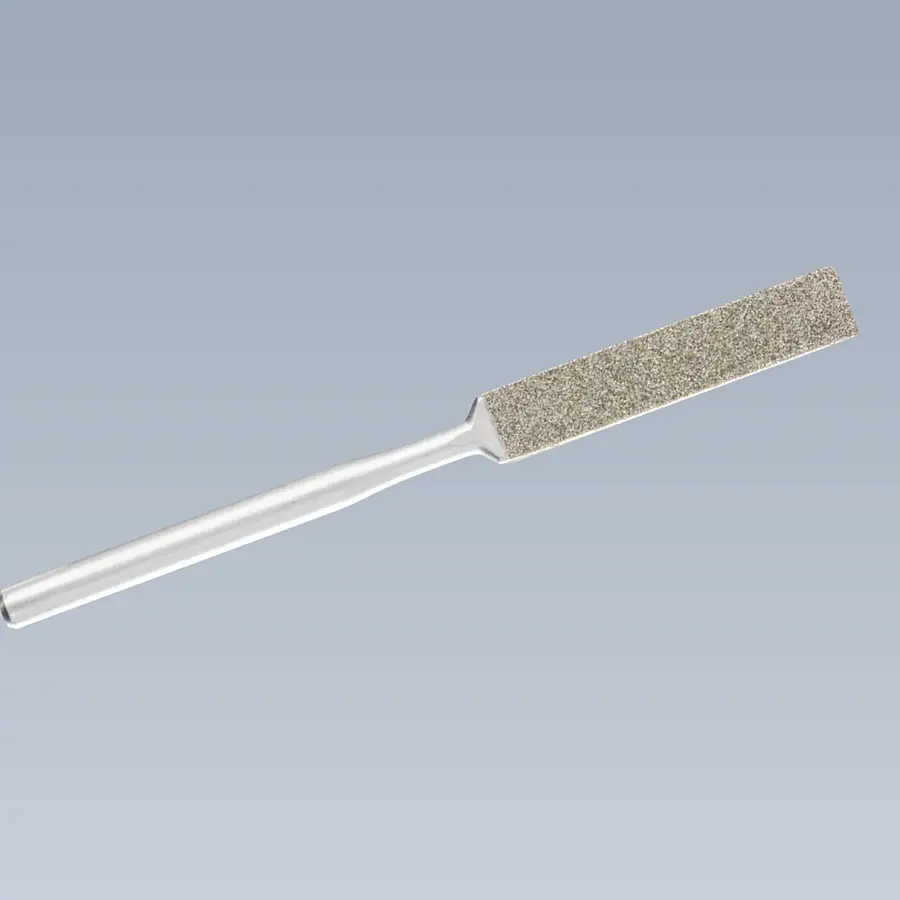
PFERD diamond files
PFERD file handles
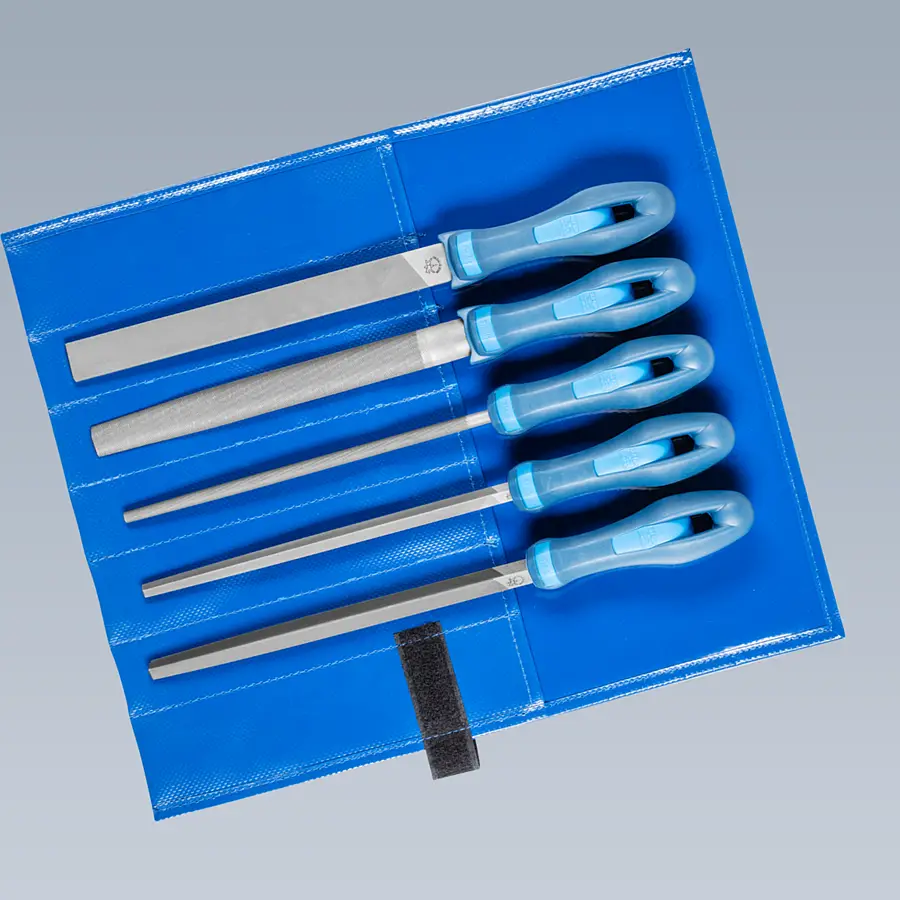
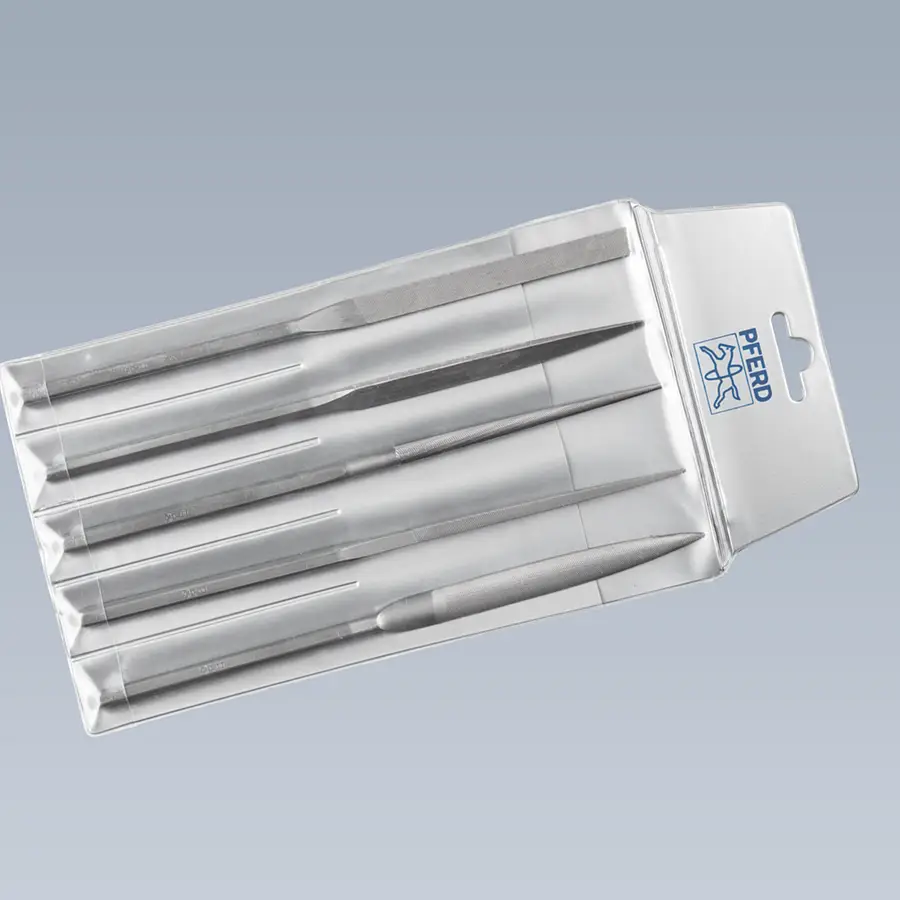
PFERD file sets
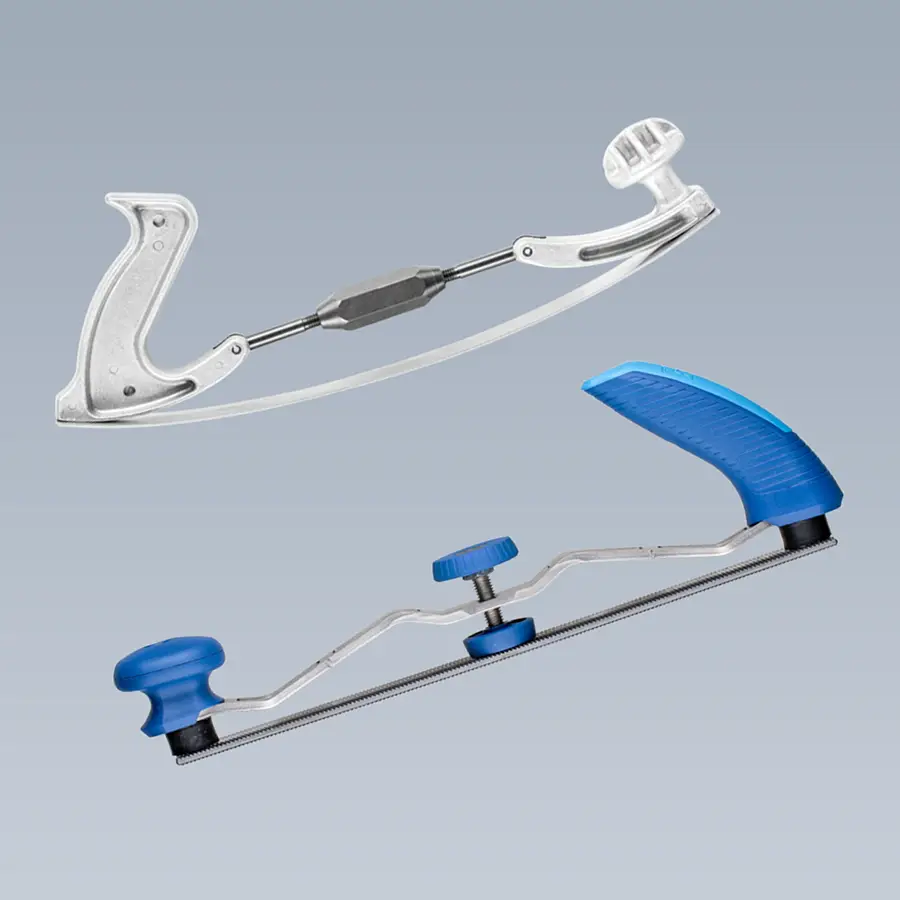
PFERD body files
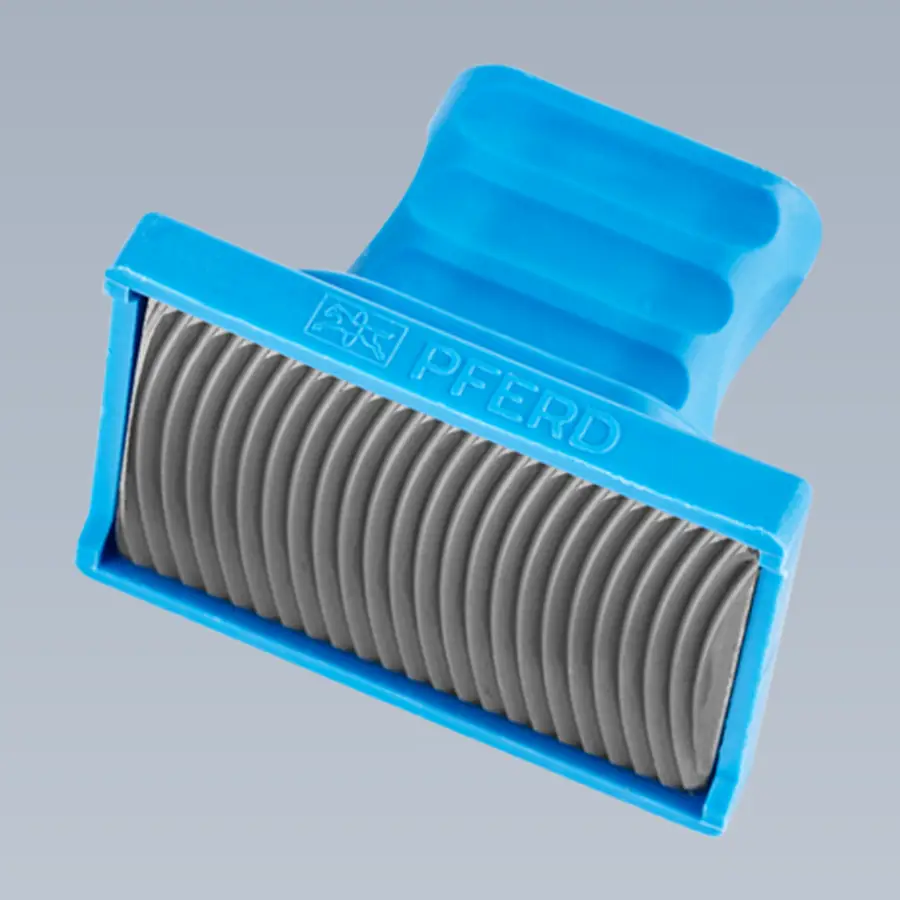
PFERD paint planers
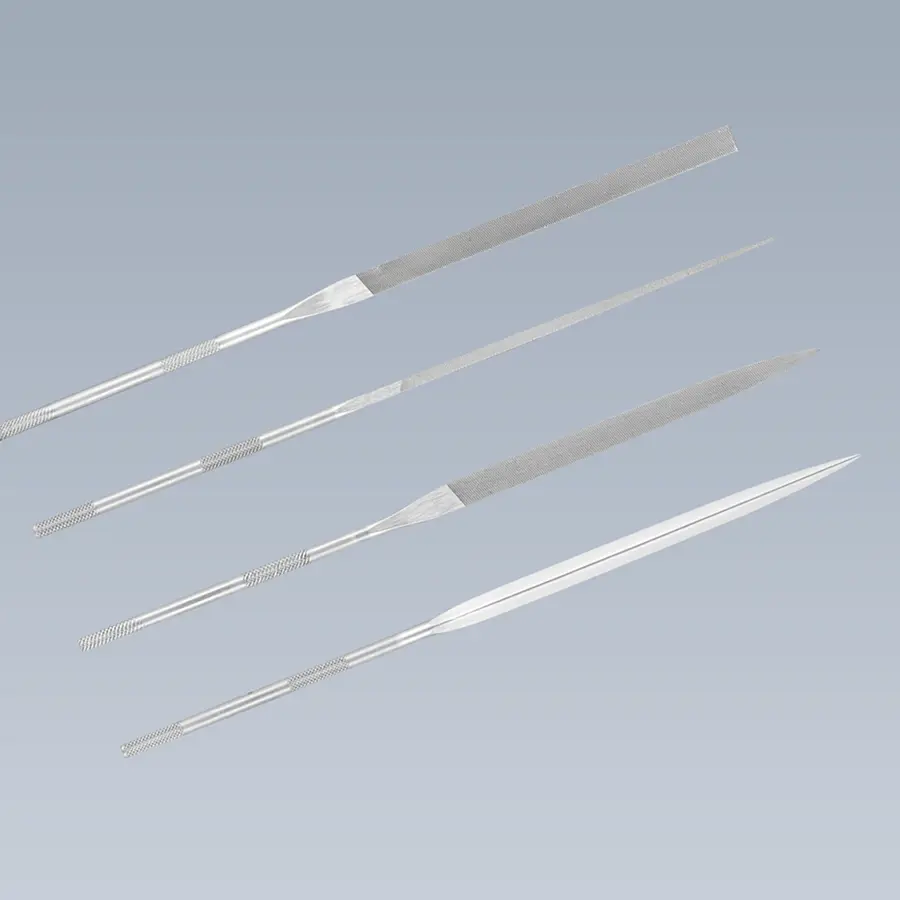
PFERD needle files
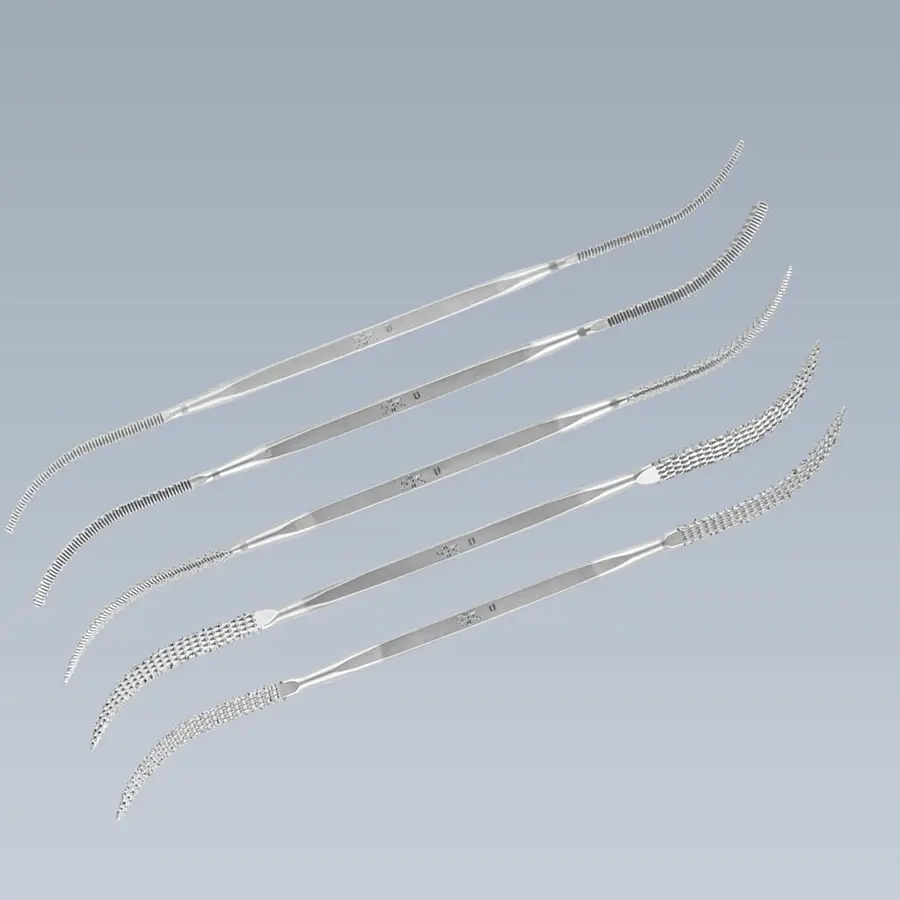
PFERD precision files
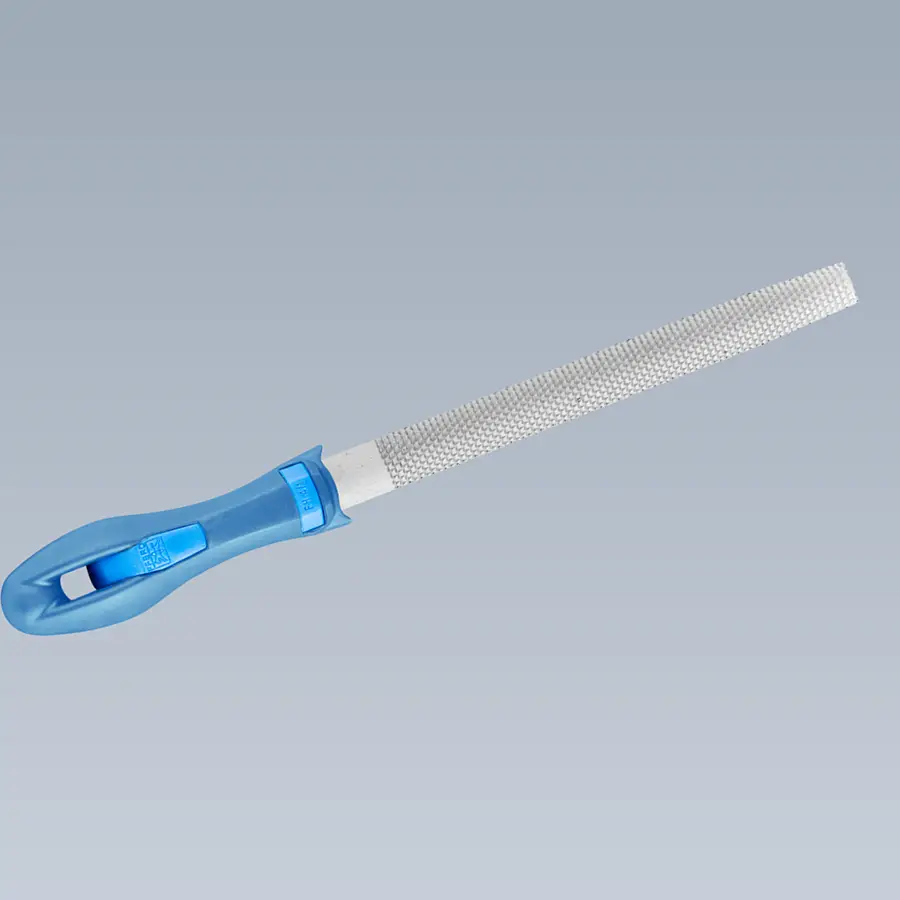
PFERD rasps
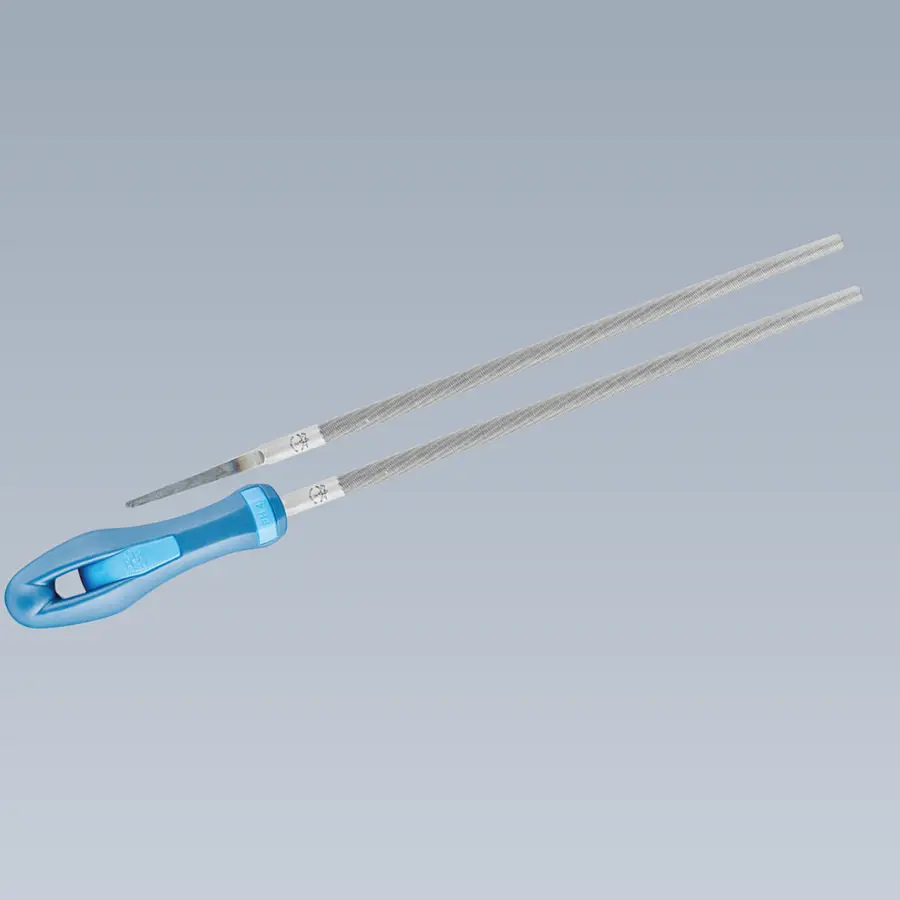
PFERD round files
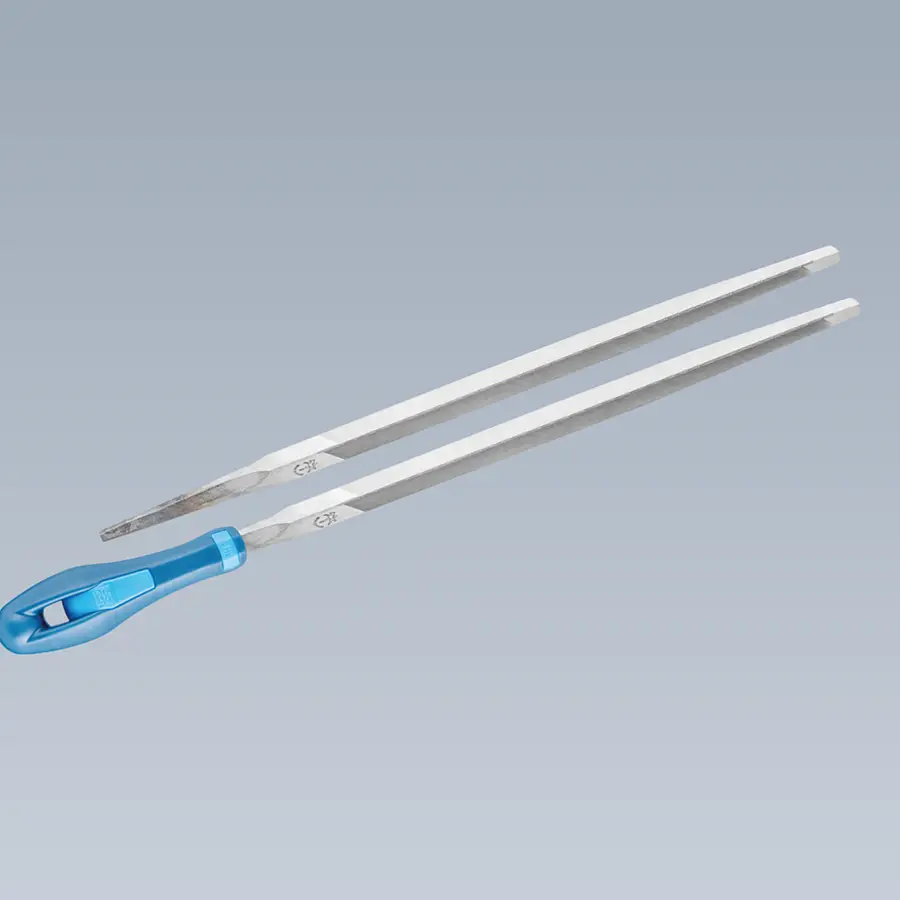
PFERD saw files
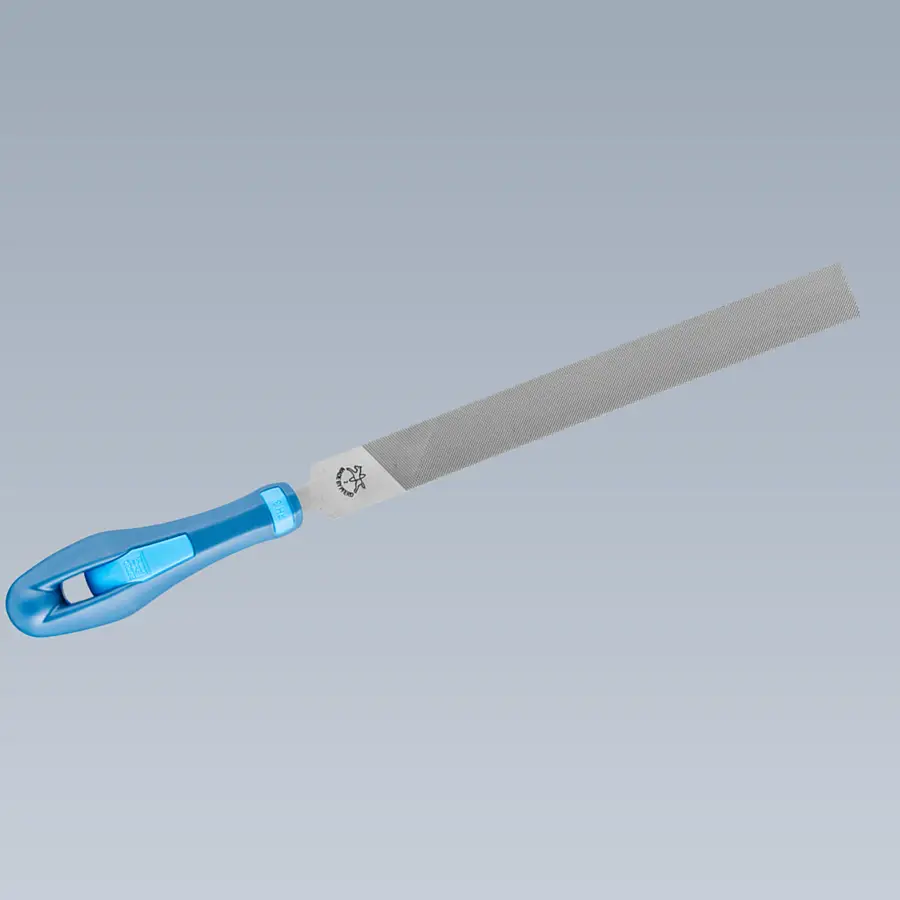
PFERD sharpening files
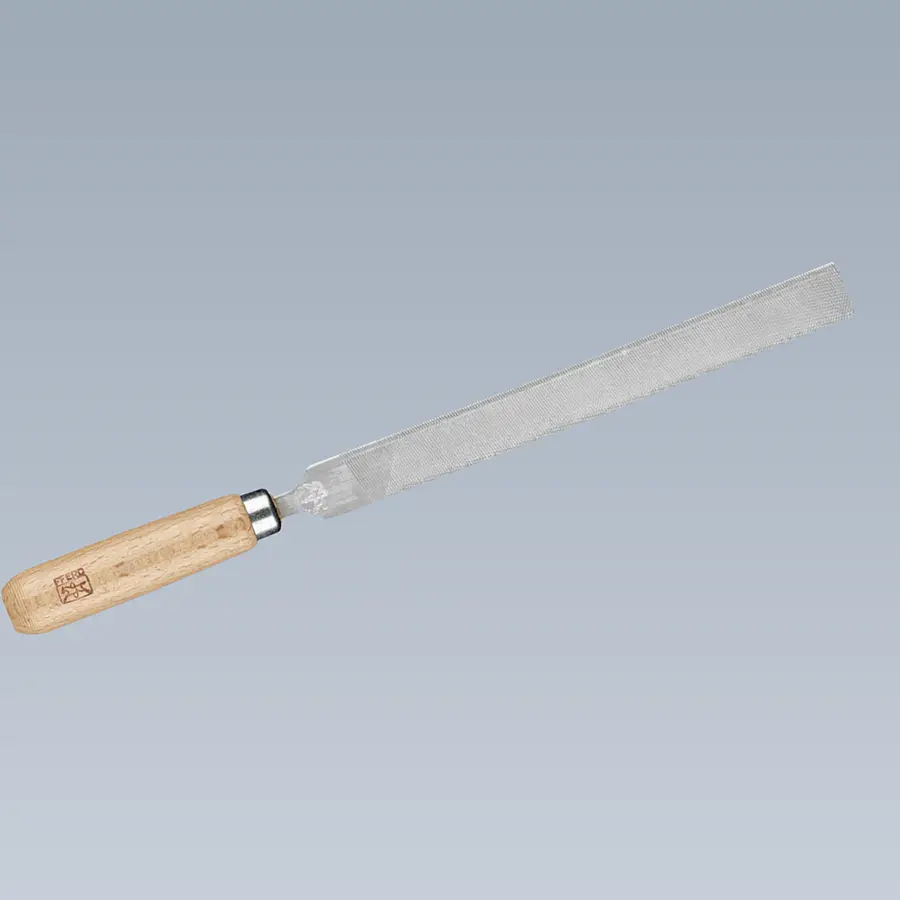
PFERD key files
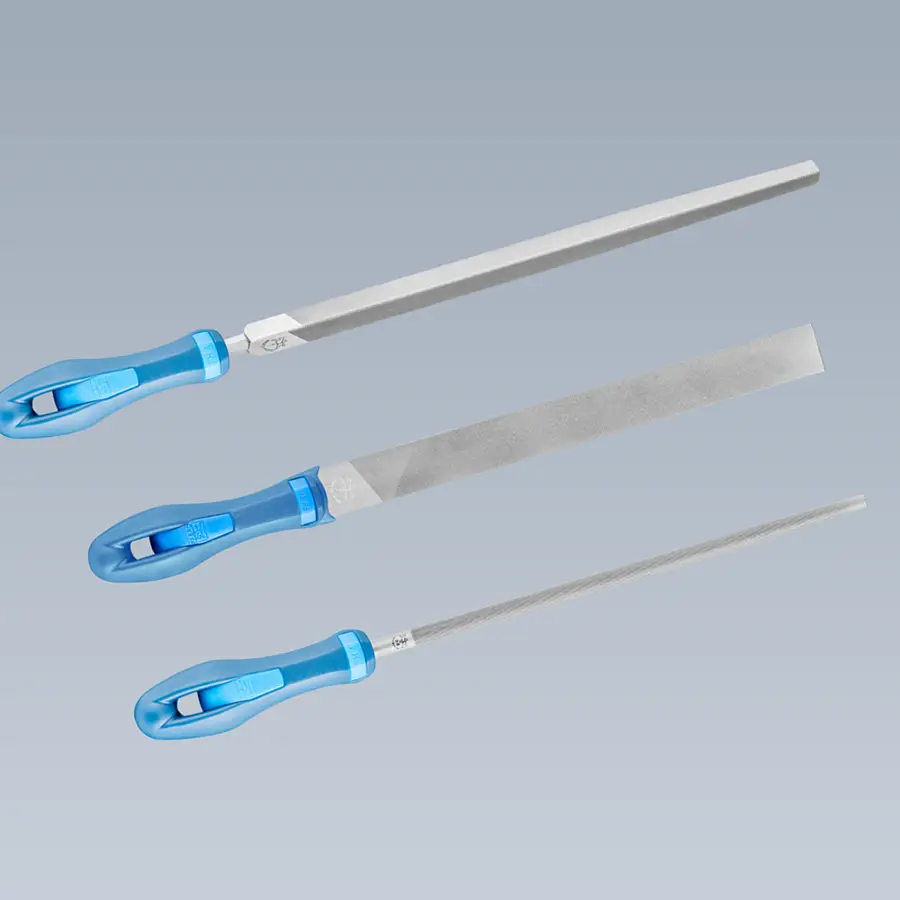
PFERD workshop files
02
Selection criteria
Which file suits your machining task?
Start with the material, its initial condition and the target surface: Do you need to deburr an edge, finish a surface, rework a contour or sharpen a cutting edge? Then choose the profile for the accessible geometry and the cut for the required material removal. For workshop files, cut 1 is intended for coarse removal, cut 2 for general use and cut 3 for fine work. If your current file clogs, cannot reach the contour or works too coarsely, reassess the tooth geometry and file type.
03
PFERD FILE RANGE
Select PFERD files by shape and application
The system listing shows the items assigned to the file category. Compare each product's file type, profile, cut and design with your machining task.
No products found
No products are currently listed in this category. Request a call back and we will help you find the right product.
Request a callback04
CHOOSING THE RIGHT FILE
From your current tool to a suitable file
A file is not an abrasive belt: its cut or tooth pattern determines how it removes material by hand. PFERD workshop files can be used for deburring and working on surfaces and edges. Milled files with larger chip spaces are intended for soft metals; bodywork files and paint scrapers serve different tasks. For small contours, consider precision files and needle files, while sharpening files are matched to cutting edges.
Identify what is not working with your current tool: access to the geometry, clogged teeth, too much or too little removal, or an unwanted finish. Tell us the material, component, current file, cut, target result and handling requirements. We can then check suitable shapes and variants against the product data without assuming that different files are interchangeable.
05
QUESTIONS ABOUT SHAPE AND CUT
How do you choose the cut of a PFERD workshop file?
Choose cut 1 for coarse material removal, cut 2 for general roughing and finishing work, and cut 3 for fine work and finishing. Check the file length as well: the number of teeth per unit of length changes with file length even when the cut designation stays the same. Start with the material, required removal and the surface you want after filing. The shape and cut of an existing file are useful points of comparison, but they do not determine the choice on their own.
Which file shape suits a flat surface, angle or radius?
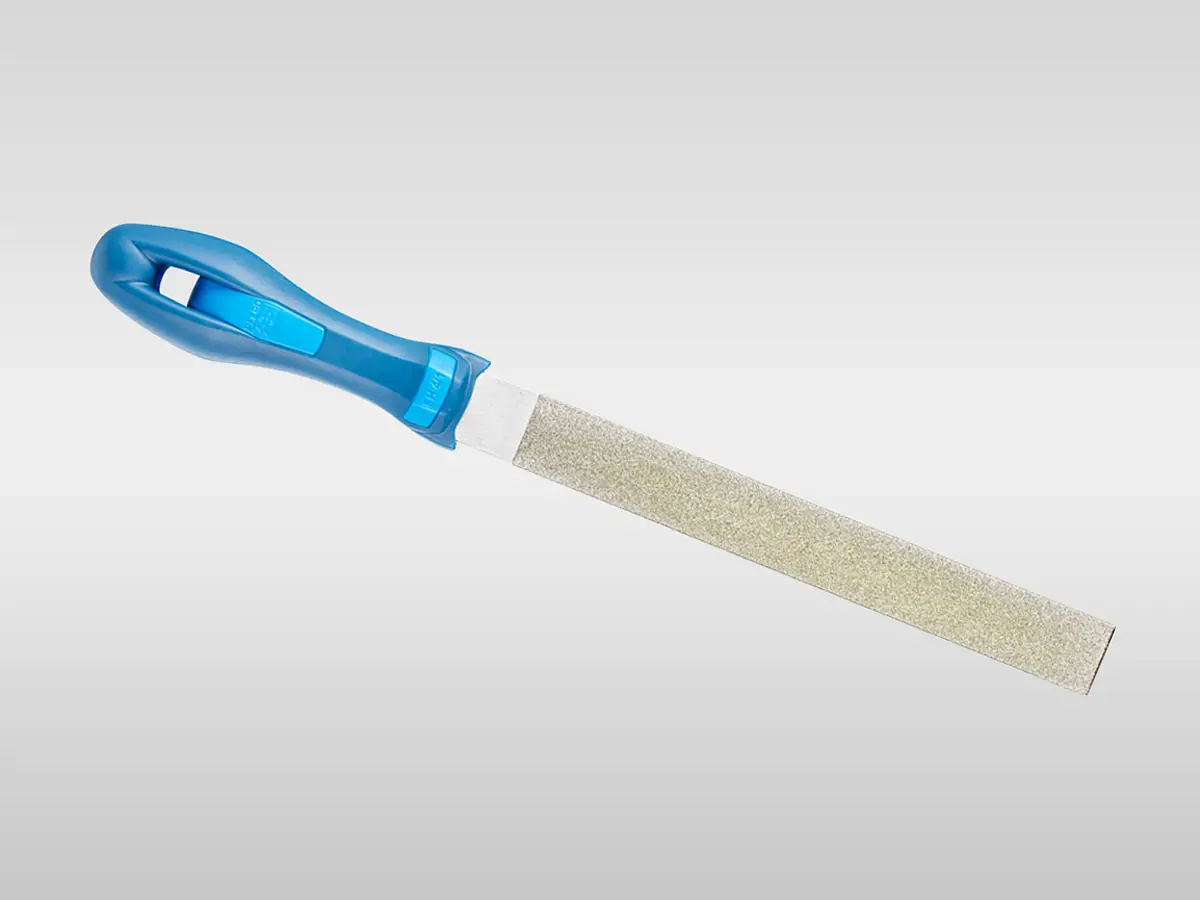
The shape depends on the part geometry you can access. Hand files with parallel sides have an uncut edge and are described for right angled geometries; tapered flat files narrow towards the tip. Triangular and square files reach angular profiles, while half round and round files suit radii. In your enquiry, describe the contour, material and accessible area. Only then can you compare the cut, length and appropriate file design.
When are milled files useful instead of workshop files?
Milled files are an option for soft metals. Their milled tooth geometry has large chip spaces that help prevent clogging. Workshop files, by contrast, are selected by shape and cut for tasks such as deburring, surface work and chamfering. Describe the material and the problem with your current file, such as clogged teeth or unsuitable material removal. The specific file type can then be checked for the application.
What should you check about the handle and supply version?
Check whether the chosen file includes a handle and which handle fits its tang. PFERD describes workshop files in industrial packs without a handle as well as versions supplied with an ergonomic file handle. These variants are not automatically interchangeable. For an enquiry, provide the file shape, length, cut and handling requirement. A suitable handle helps you guide the file securely; its fit depends on the specific design.
06
Request advice
Describe the material, geometry, current file and intended result. We will discuss the profile, cut, design and a suitable file handle with you.
Discuss a PFERD file for your task
Tell us about the component, material and machining goal. We will check suitable files and designs for your enquiry.

ADVICE ON PFERD FILES
Jürgen Müller
Contact for products
Jürgen Müller will discuss your material, file shape, cut and required machining result with you.
Advice and sales to business customers only!